


JBL is making a more serious play for the connected home.
The brand, still best known to many consumers for portable Bluetooth speakers, is moving deeper into Wi-Fi audio with a new lineup called Cove. JBL Cove is a trio of Wi-Fi connected speakers designed for multi-room listening around the home.
That sounds like a simple hardware expansion. It is more interesting than that. Bluetooth made JBL easy to carry. Wi-Fi gives JBL a shot at staying in the room.
JBL Wants A More Permanent Place At Home
The important detail is not just that Cove is new. It is what kind of listening JBL is chasing with it.
Cove is a three-speaker lineup built for Wi-Fi-connected home audio, rather than the single-device, phone-tethered experience that defines most portable Bluetooth listening. The speakers are designed for multi-room use, which puts the product closer to the Sonos model: audio that can follow people from kitchen to living room to bedroom without being treated like a temporary accessory.
That changes the role of the product. A Bluetooth speaker is often situational. You take it to the garden, the park, the hotel room, the shower. A Wi-Fi speaker is more architectural. It becomes part of the household setup, sitting alongside TVs, smart displays, routers, voice assistants, and the everyday routines that make people press play without thinking too hard about the device doing the work.
For JBL, that matters because the brand already has strong cultural visibility in portable sound. Cove appears to be a way to turn that recognition into a more durable home presence. Instead of only being the speaker you bring with you, JBL wants to be the speaker already waiting where listening happens.
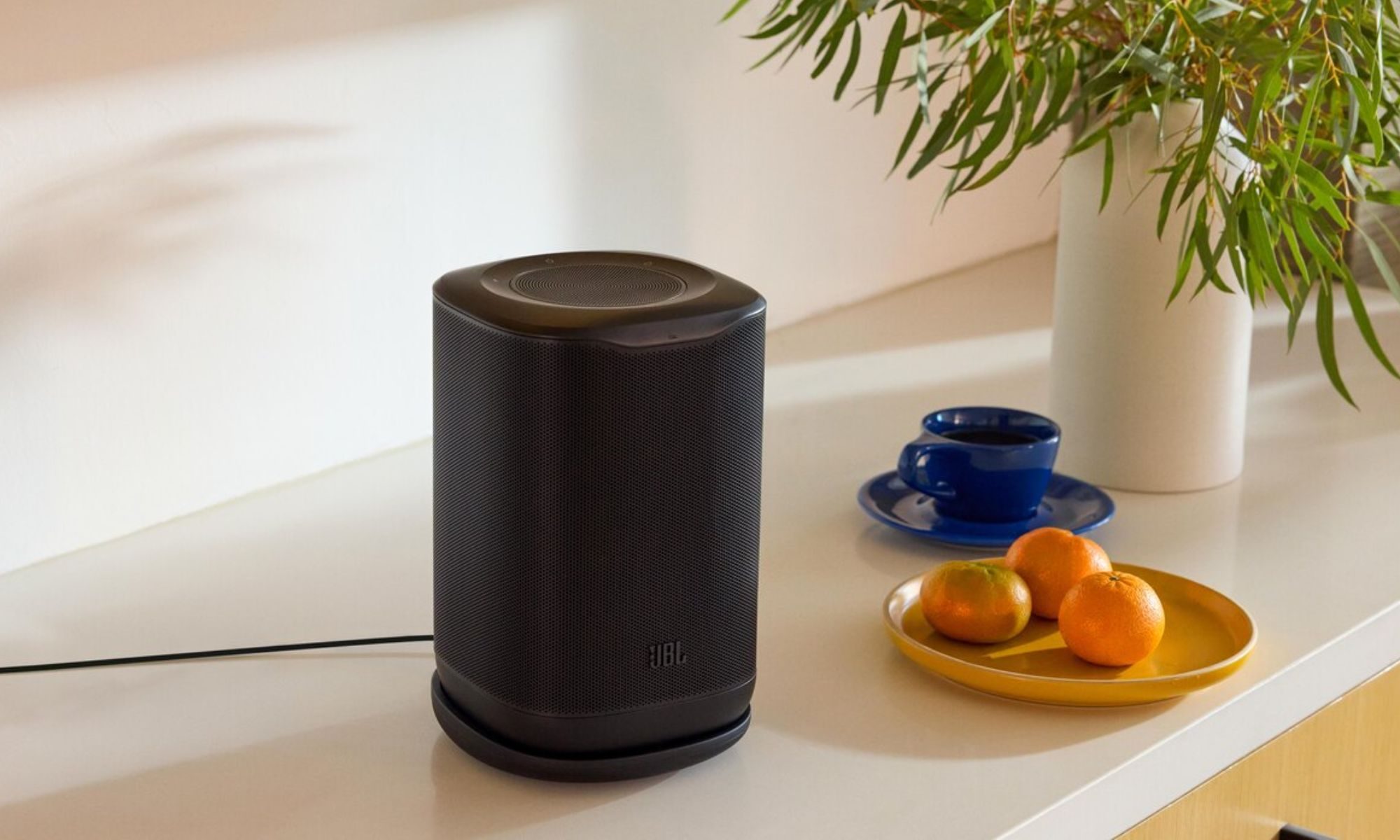
The Living Room Is Still A Platform Fight
The obvious comparison is Sonos, and for good reason. Sonos helped make multi-room audio feel like a connected home category rather than a stack of speakers. JBL entering that conversation with a dedicated Wi-Fi lineup signals how valuable that behavior still is.
Streaming made music access feel infinite. But in the home, the battle is still very physical: which device owns the kitchen counter, which speaker becomes the default for dinner, which system gets trusted enough that nobody reaches for another app or workaround.
That is where Cove becomes a small but useful signal for marketers and media people too. The connected home is not just a smart-home category; it is a habit layer. Speakers shape when people listen, how households share media, and which brands become part of daily routines without needing a screen.
JBL does not need Cove to reinvent home audio for the move to matter. It needs Cove to make JBL feel less like an occasional sound product and more like an always-there part of the home. That is the strategic consequence: the brands that win audio are not only chasing better sound, but better default behavior.