


Most cameras ask you to decide what matters before you press record. The Insta360 X6 would rather let you decide later.
With the new Insta360 X6, Insta360 has introduced a smaller flagship 360 camera with larger sensors, faster processing and a serious push into automated editing. The technical jump is substantial. But the more interesting shift is behavioral: the camera wants creators to stop worrying about the shot while they are still inside it.
The X6 is available now in black or white. It starts at $699.99 in the US, with an Essentials Bundle priced at $799.99. That is $150 more than the X5 cost at launch, so this is still premium creator hardware, not an impulse buy.
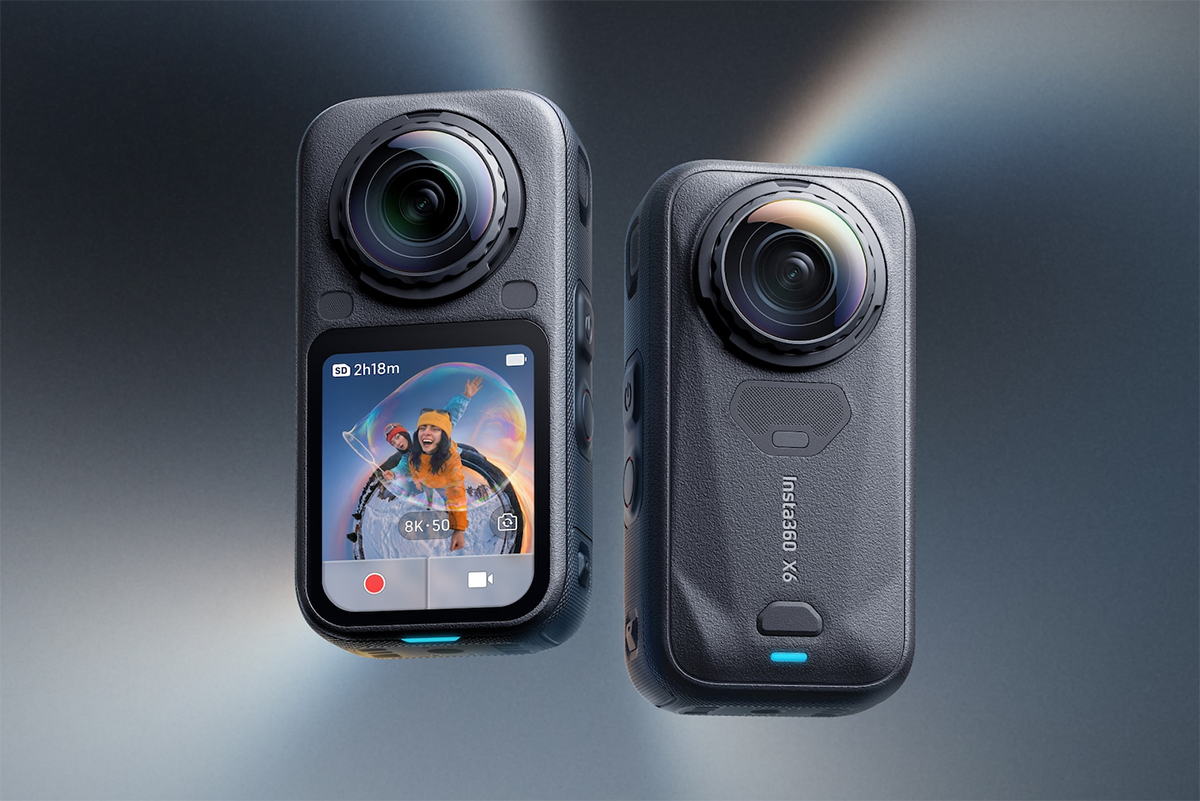
Shoot first, frame later
As Digital Trends highlights, the X6 uses two custom Sony 1/1.1-inch square sensors that are 33 percent larger than those in the X5. It records native 8K 360 video at up to 50 frames per second, offers 10-bit color and in-camera Dolby Vision, and pairs a Qualcomm 4nm processor with two dedicated imaging chips.
There is plenty here for spec hunters. Yet the defining promise of a 360 camera is not resolution. It is optionality.
Instead of aiming at one subject, the X6 records the entire scene. A creator can remain present, then reframe the same recording later as a vertical Reel, a horizontal YouTube video or a dramatic third-person action shot. One moment becomes a flexible master file for several platforms.
That changes the role of the person holding the camera. They are no longer choosing the frame in real time. They are collecting possibilities.
 The camera is becoming the editor
This is where the X6 feels most relevant to creator culture.
InstaFrame 2.0 can lock onto a person, pet or object and produce a ready-to-share 4K flat video while preserving the full 360 recording. It effectively gives creators subject tracking without carrying a gimbal or manually pointing the camera.
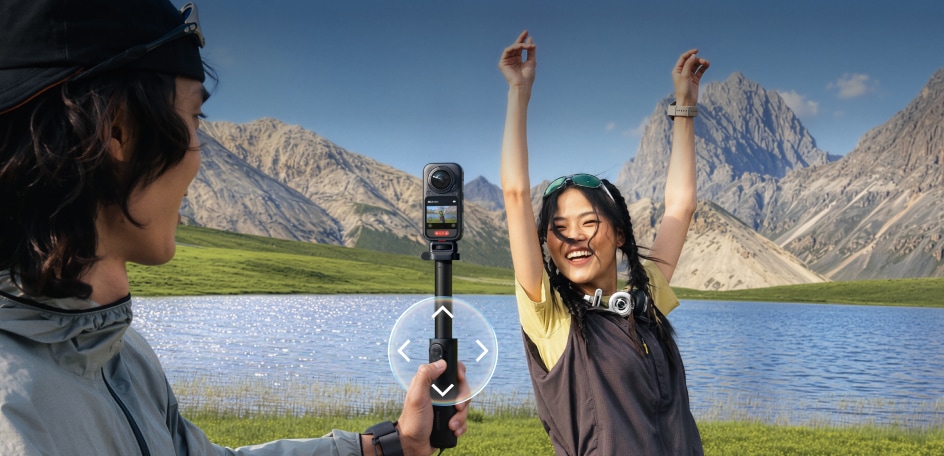
Then comes PanoMind, Insta360’s in-house multimodal AI model. Its AI Director can identify highlights, choose angles and assemble a clip while the camera charges. The pitch is not simply better footage. It is less editing, fewer missed moments and a shorter journey from experience to post.
That convenience comes with a quiet creative tension. If the camera captures every direction and software selects the best moments, authorship moves away from the instant of filming and toward reviewing, approving or correcting what the system chose.
For many creators, that will feel liberating. For others, it may turn filming into another form of data collection, with judgment deferred until later.
Either way, the X6 shows where creator hardware is heading. The next camera battle will not be won on image quality alone. It will be won by the device that removes the most friction between living a moment and sharing it.