Adobe is turning Firefly into something much bigger than an AI image generator.
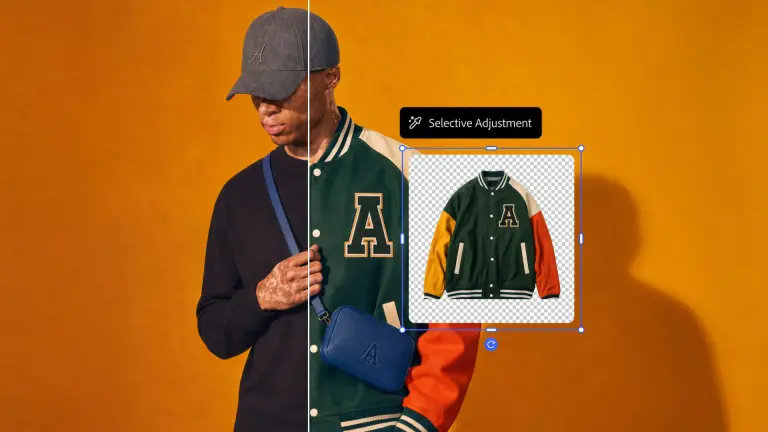
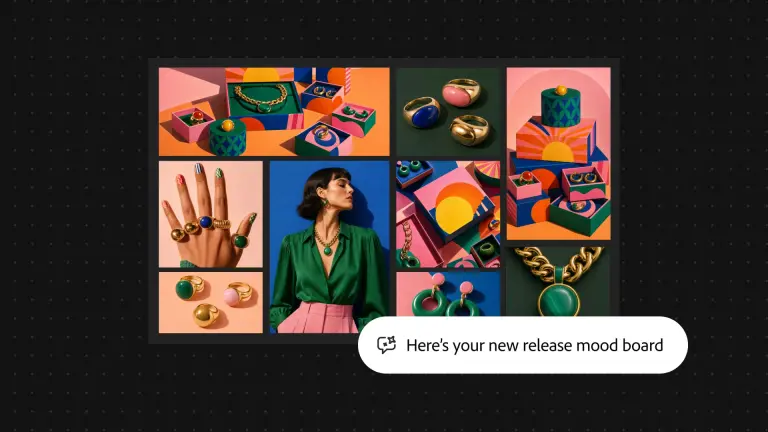
At Adobe MAX 2026, the company unveiled a major expansion of Firefly, transforming it into an AI creative studio where users can generate images, edit videos, design campaigns and build repeatable workflows, all with the help of AI agents.
The ambition is clear: Adobe wants to become the place where creative work happens, regardless of which AI model powers it.
An AI agent that can actually do the work
At the center of the update is Adobe Creative Agent, which lets users describe what they want to accomplish in everyday language.
Instead of manually switching between applications, creators can ask the agent to perform multiple tasks, from editing an image to resizing it for social platforms or preparing campaign assets.
A new Plan Mode gives users the opportunity to review, modify and approve the agent’s proposed actions before anything happens.
Adobe is also previewing always-on agents capable of handling recurring production tasks, such as organizing assets, checking quality and preparing content for different channels.
It’s a significant shift from AI as a tool that responds to individual prompts toward AI as a system that can manage entire creative processes.
One studio, multiple AI models
Adobe is also bringing more of its creative capabilities into Firefly itself.
Firefly Video combines AI generation with video editing, including timelines, captions, transitions and additional footage. Firefly Design, currently in beta, brings illustration, image editing, animation and 3D into a shared workspace.
Meanwhile, Firefly Graph allows users to build repeatable workflows connecting AI models with Adobe’s creative tools. Firefly Builder, available in private beta, lets creators prototype websites and applications using natural-language instructions.
Perhaps most importantly, Adobe isn’t limiting users to its own AI models.
Firefly supports models from other companies, including OpenAI, Google, ByteDance and Kling, allowing creators to choose the technology that works best for a particular task.
Rather than competing solely on image or video quality, Adobe is positioning itself as the platform connecting those capabilities.
The real competition is for the creative workflow
For agencies and marketing teams, the implications extend beyond producing content faster.
Campaigns rarely involve a single creative asset. They require multiple formats, revisions, approvals and adaptations across platforms, often involving different tools and teams.
Adobe’s new direction addresses that complexity by connecting the steps involved in getting work from idea to delivery.
Not everything announced is available yet. Some editing tools and Quick Actions are already live, while Firefly Design, Graph and Builder remain in various stages of beta testing.
But the strategic direction is unmistakable.
As AI models become more capable and increasingly interchangeable, the real value may shift toward the platforms that make them useful together.
Adobe is betting that the future of creative software isn’t another AI model.
It’s the workflow that connects them all.
Also Read: