


Google’s Pixel story is no longer just about the phone.
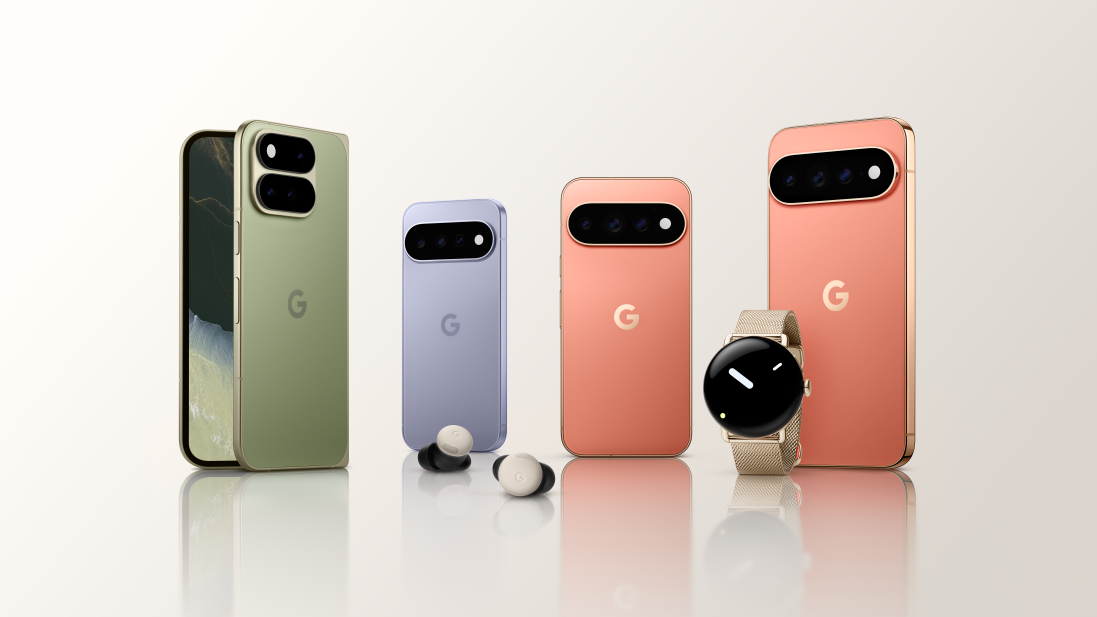
At this year’s Made by Google event, the company used its Pixel 11 launch to show a wider hardware play: new Pixel phones, higher prices, camera upgrades, a new Pixel Watch, and updates to Pixel Buds were all part of the announcement slate.
That matters because Pixel has always carried more weight than its market share suggests. It is Google’s cleanest expression of what it thinks personal technology should feel like when search, Android, photography, voice, wearables, and audio sit closer together. The Pixel 11 event keeps pushing that idea. The phone is still the hero object, but the surrounding devices are doing more of the strategic work.
The phone is the anchor, not the whole story
The Verge frames the event around seven major announcements from Google’s Pixel 11 launch. The obvious center is the new Pixel phone lineup, with camera upgrades and pricier phones among the main changes. That combination says a lot about where Google wants Pixel to sit: not as the cheap alternative to an iPhone or Galaxy, but as a premium device family with a very Google view of everyday computing.
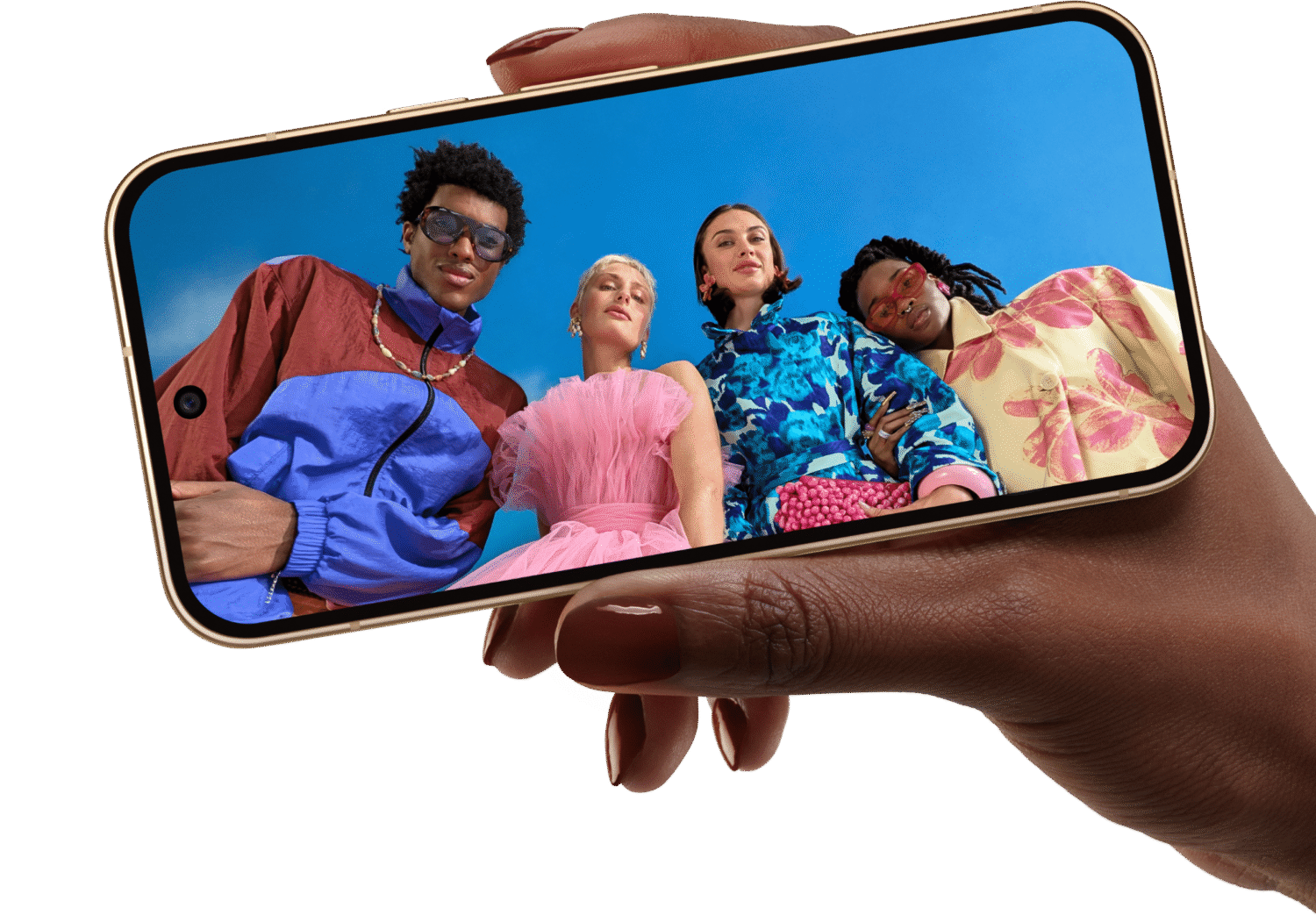
The camera upgrades are especially important because Pixel’s identity has long been tied to computational photography. For Google, the camera is not just a spec battle. It is a behavior engine. Better cameras create more moments captured, edited, shared, searched, stored, and revisited inside Google’s world.
But the event’s broader shape is the real signal. A new Pixel Watch and Pixel Buds updates turn the launch from a phone reveal into a daily-touchpoint strategy. Your wrist, your ears, your pocket: those are not separate accessories anymore. They are the places where Google wants to keep appearing throughout the day.
Google is building around repeated attention
The strategic consequence is simple: Google is trying to make Pixel feel less like a product purchase and more like a connected routine. The phone gets the spotlight, but the watch and earbuds help spread the relationship across smaller, more frequent moments.
That is the same broader behavior Google is pursuing elsewhere. It is not only upgrading single products; it is expanding the surfaces where people spend time and make choices. We recently saw a similar logic in Google TV Freeplay adding more viewer control: the product story was about TV, but the behavior story was about Google keeping more of the entertainment decision inside its own layer.
For brands and marketers, the useful read is not “new Pixel devices exist.” It is that Google keeps building environments where intent can show up in more places. A search may start on a phone, a prompt may happen through earbuds, a reminder may land on a watch, and an entertainment choice may happen on TV. The commercial value is in those connected moments, not in any one screen.
The tension, of course, is price. If Pixel phones are getting more expensive, Google has to make the whole system feel worth it. Camera improvements help. A stronger watch helps. Better earbuds help. But the real test is whether the bundle feels like a smarter daily experience, not just a more expensive set of hardware.
That is where the Pixel 11 launch lands: Google is no longer selling the phone as the destination. It is selling the phone as the center of a habit loop.