


Instagram is expanding its AI age-estimation technology globally, putting millions more users into Teen Account protections even when they have entered an adult birthday. Meta says the system is designed to identify accounts it suspects belong to teens and automatically apply age-appropriate limits.
The move is detailed in Meta’s official announcement, and it shows where platform safety is heading: away from relying only on what users declare and toward systems that infer who they are.
Teen protections are becoming the default layer
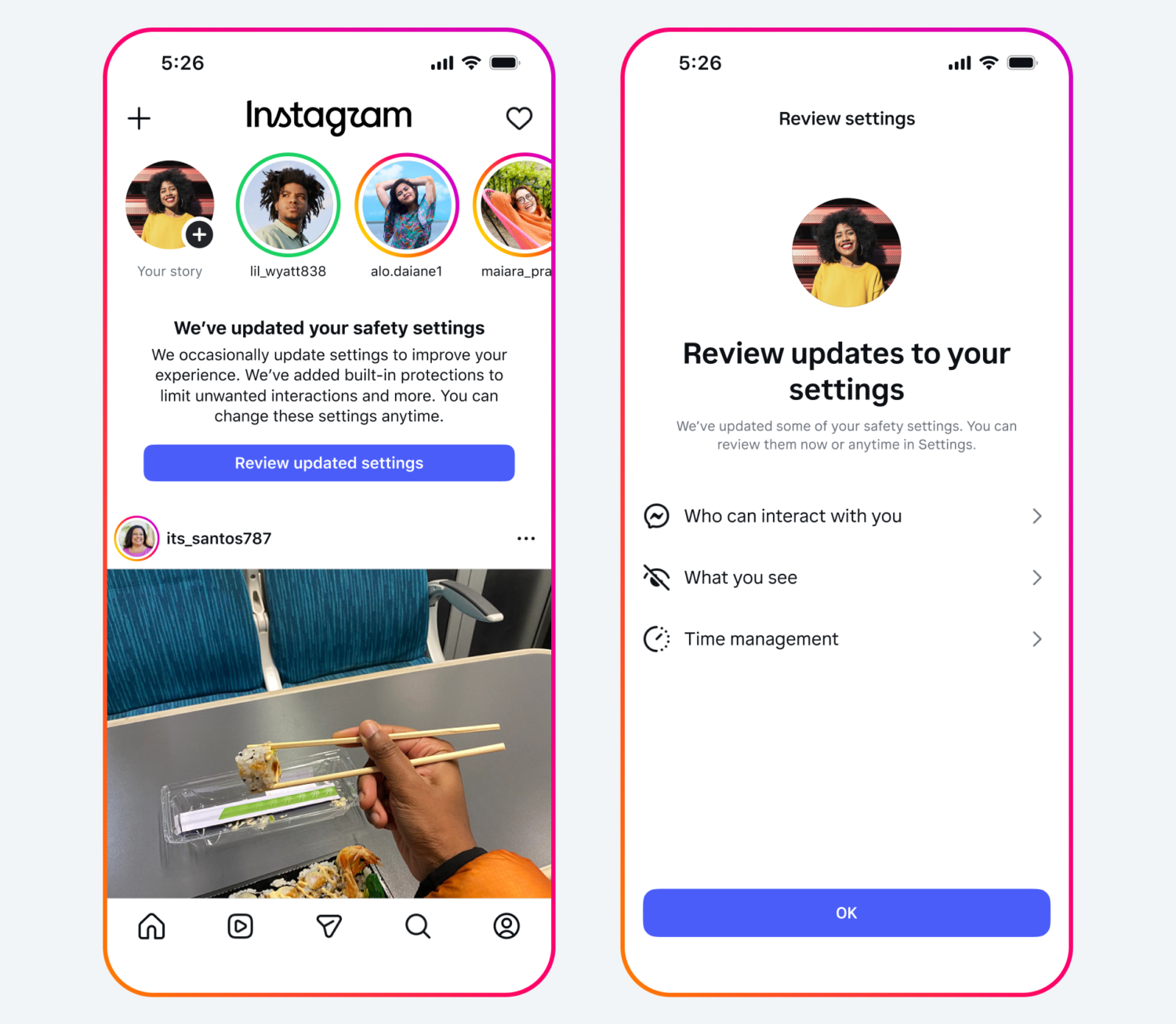
Teen Accounts already limit who can contact younger users, the content they see and the amount of time they spend across Instagram, Facebook and Messenger. The problem is simple. Those protections only work if a platform knows a user’s age.
Meta says its AI technology can flag people who appear to be teens even when they have supplied an adult date of birth. The global expansion will place more Instagram users into those settings automatically. In the United States, parents will begin seeing an in-feed Instagram video explaining how Meta estimates age and how they can help correct an inaccurate account age.
Australia will also use Apple’s age-range signal as an additional input. When a parent sets up a teen’s smartphone, Apple’s app-store process can assign an age range and pass it to apps when the teen downloads them. Meta argues that a consistent device-level signal could be more privacy-preserving than every platform running its own verification process.
Meta is building a cross-platform safety system
This is bigger than one Instagram setting. Meta says it is continuing to roll out the technology on Facebook and plans to launch similar protection globally on Threads later this year. That expansion connects with Meta’s wider move to extend parental and teen-safety controls across its apps.
It also reflects the pressure created by new youth-safety laws and Meta’s agreement with 52 bipartisan attorneys general. Rather than asking every teenager to prove their age directly, Meta is trying to make age estimation a background product capability that quietly changes the experience around them.
That creates a clear trade-off. More teens may receive protections they would otherwise bypass, but platforms will also be making increasingly consequential guesses about identity and age. For Meta, the strategic consequence is that age assurance is no longer a policy edge case. It is becoming part of the default operating logic of its social apps.