


LinkedIn wants to make it easier for people to turn professional expertise into income. Its latest creator update brings together a new dashboard, revenue-sharing tests for video and paid one-to-one consultations, moving the platform closer to being a place where knowledge is not just displayed, but sold.
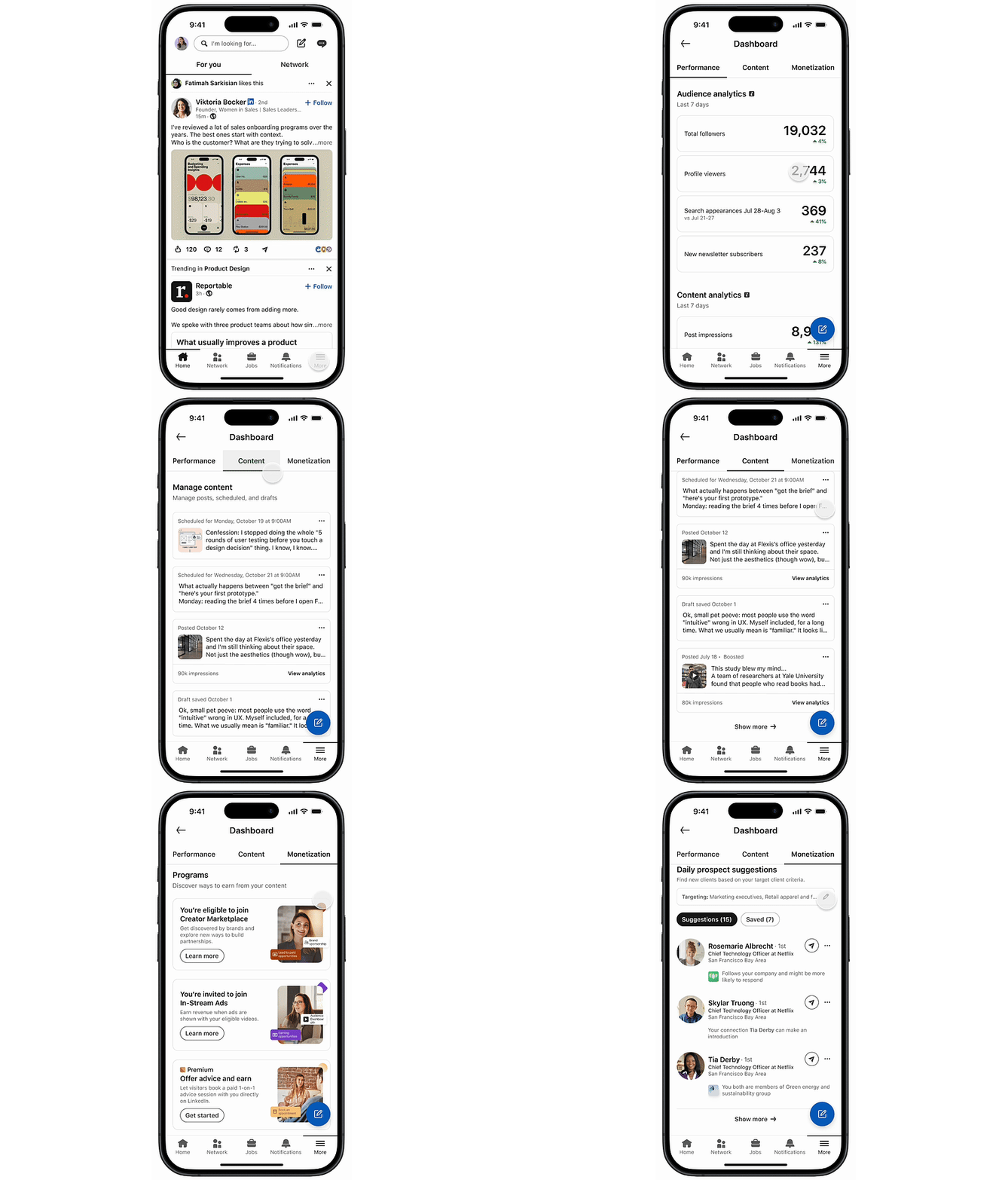
In its official announcement, LinkedIn says invited U.S. creators can test In-Stream Ads and earn revenue when pre-roll ads run alongside eligible video. The program is still limited, but it gives creators a path to participate in advertising without first negotiating a separate brand deal.
LinkedIn is packaging expertise as a business
The bigger move is Advice Sessions. Eligible Business Premium subscribers in the U.S. can offer paid consultations directly from their profiles, with bookings, payments and video meetings handled through LinkedIn. The service is not simply a calendar button. It gives professional credibility, availability and transaction infrastructure a single home.
LinkedIn’s Help documentation says hosts must complete Stripe identity verification and bank setup, while bookers can select a time, pay through Stripe Checkout and receive calendar confirmations. Hosts can set prices up to $500 and offer appointments within a 30-day booking window. That makes the feature feel less like a creator experiment and more like a compact services marketplace.
The platform is also rolling out an all-in-one creator dashboard with content performance data and monetization opportunities. Separately, Creator Marketplace lets eligible creators opt in to brand discovery, share selected audience and content information, and manage how they appear to advertisers.
The shift is from audience building to audience conversion
LinkedIn has long rewarded people for publishing advice, commentary and career knowledge. These updates add a clearer commercial layer to that behavior. A post can attract attention, a video can carry advertising, and a profile can now lead directly to a paid conversation.
That is useful for specialists who have influence but do not want to become full-time media creators. It also gives LinkedIn a stronger reason to keep expertise on the platform, rather than letting valuable conversations end with a like, a follow or an outbound link.
There is a catch: access remains selective, and the value of paid advice will depend on trust that cannot be manufactured by a dashboard. LinkedIn is building the rails, but creators still have to prove that their knowledge is worth somebody’s time and money.
The strategic consequence is clear. LinkedIn is no longer treating creators only as people who generate engagement. It is increasingly treating them as professionals whose credibility can power advertising, consulting and commerce inside the platform.