


Threads is giving parents a more detailed view of how their teenagers manage contact on the app. Now parents can now see which accounts their teens have blocked.
That is a small addition with a meaningful shift behind it. Parental supervision is moving beyond screen-time limits and generic safety settings toward visibility into the decisions teens make when managing unwanted attention.
Threads supervision is becoming more specific
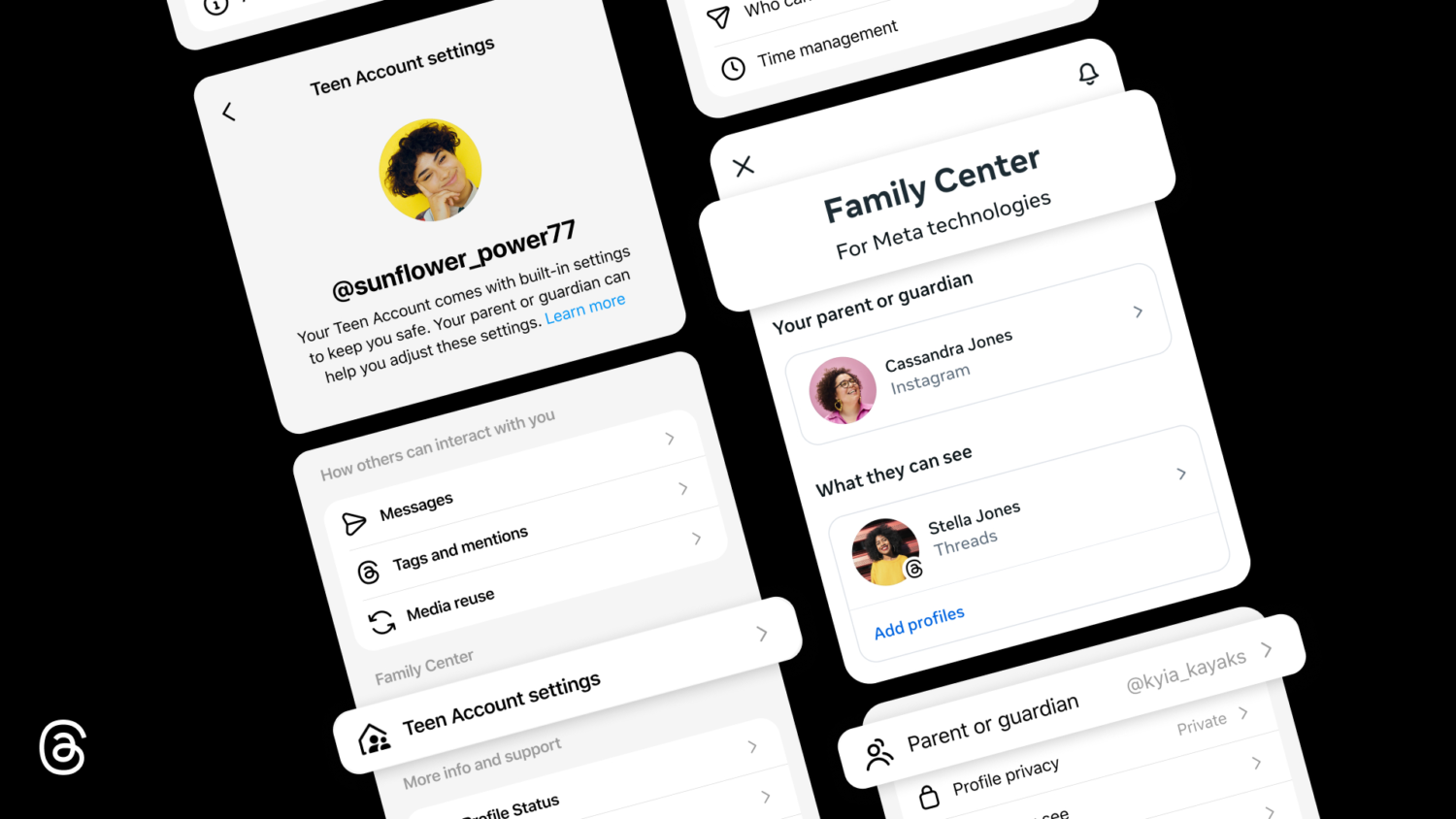
Meta first introduced parental supervision for Threads in the US before expanding it globally. The company’s official announcement says parents can view daily usage, set time limits, adjust sleep mode, control who can tag their teen, and manage some privacy and sensitive-content settings through Family Center.
Parents can now add blocked accounts to that picture. Seeing who a teen has blocked does not reveal every interaction, but it can provide context around the accounts that have caused concern or crossed a boundary. That makes the feature more practical than a simple usage dashboard.
It also extends the direction WeRSM identified when Threads first added parental supervision for teens: Meta is turning supervision into an ongoing layer of account management rather than a one-time safety switch.
The platform is making private safety decisions more legible
Blocking is one of the clearest actions a young user can take when an interaction feels unwanted. Giving parents visibility into that list may help families spot patterns that would otherwise remain invisible, particularly as Threads becomes a larger place for communities and public conversation.
There is still a balance to manage. A blocked-account list can open a useful conversation, but it can also turn a teen’s boundary-setting into something that feels monitored. The feature works best when it creates context for support rather than becoming another form of surveillance.
For Meta, the strategic consequence is clear. Teen safety is increasingly being built around supervised interpretation of platform behavior, not just default restrictions. Threads is not only limiting what younger users can access. It is giving parents more signals about how those users navigate the social environment.