Everyone knows IKEA products have strange Swedish names.
Far fewer people know what any of them actually mean.
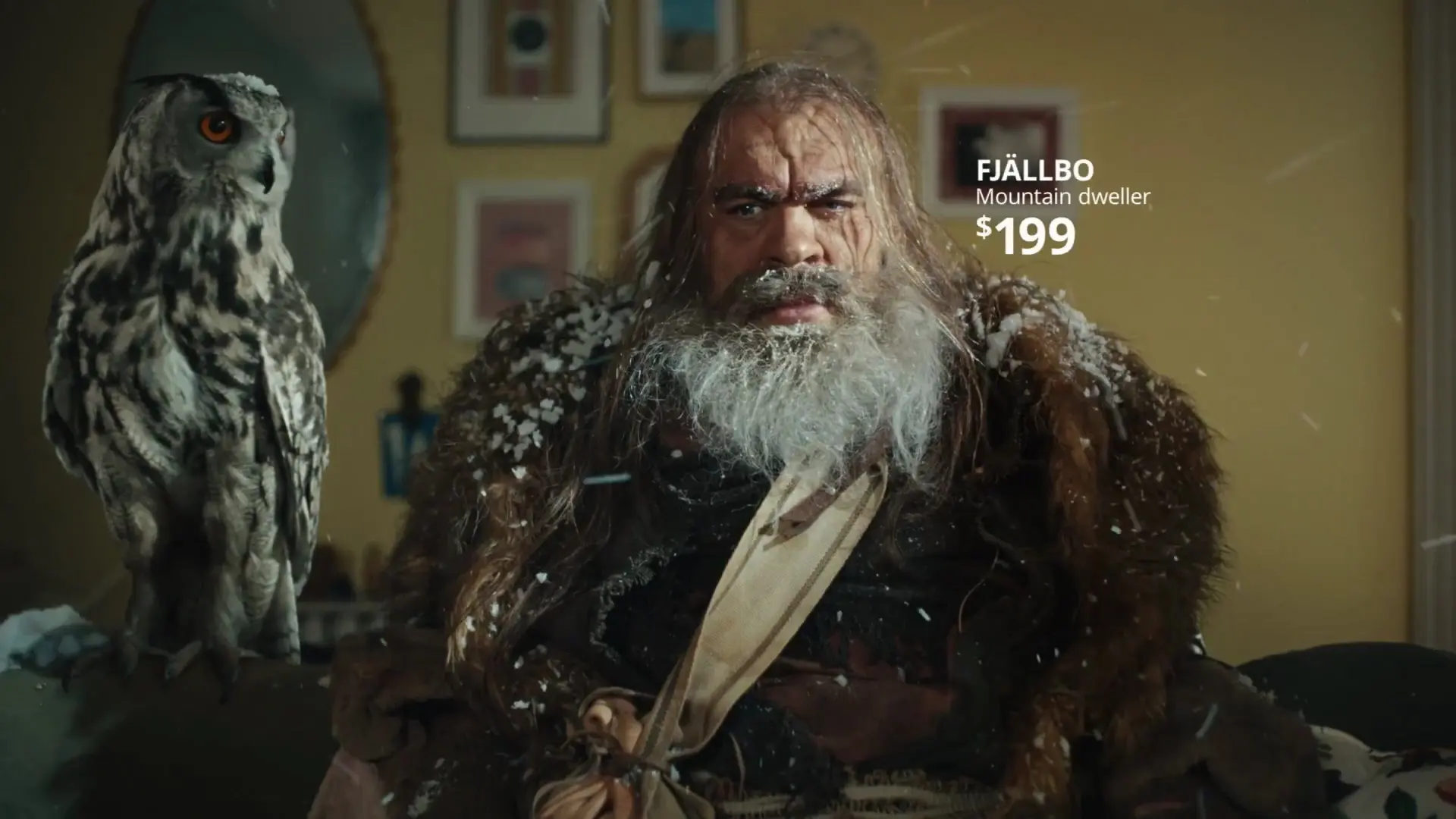
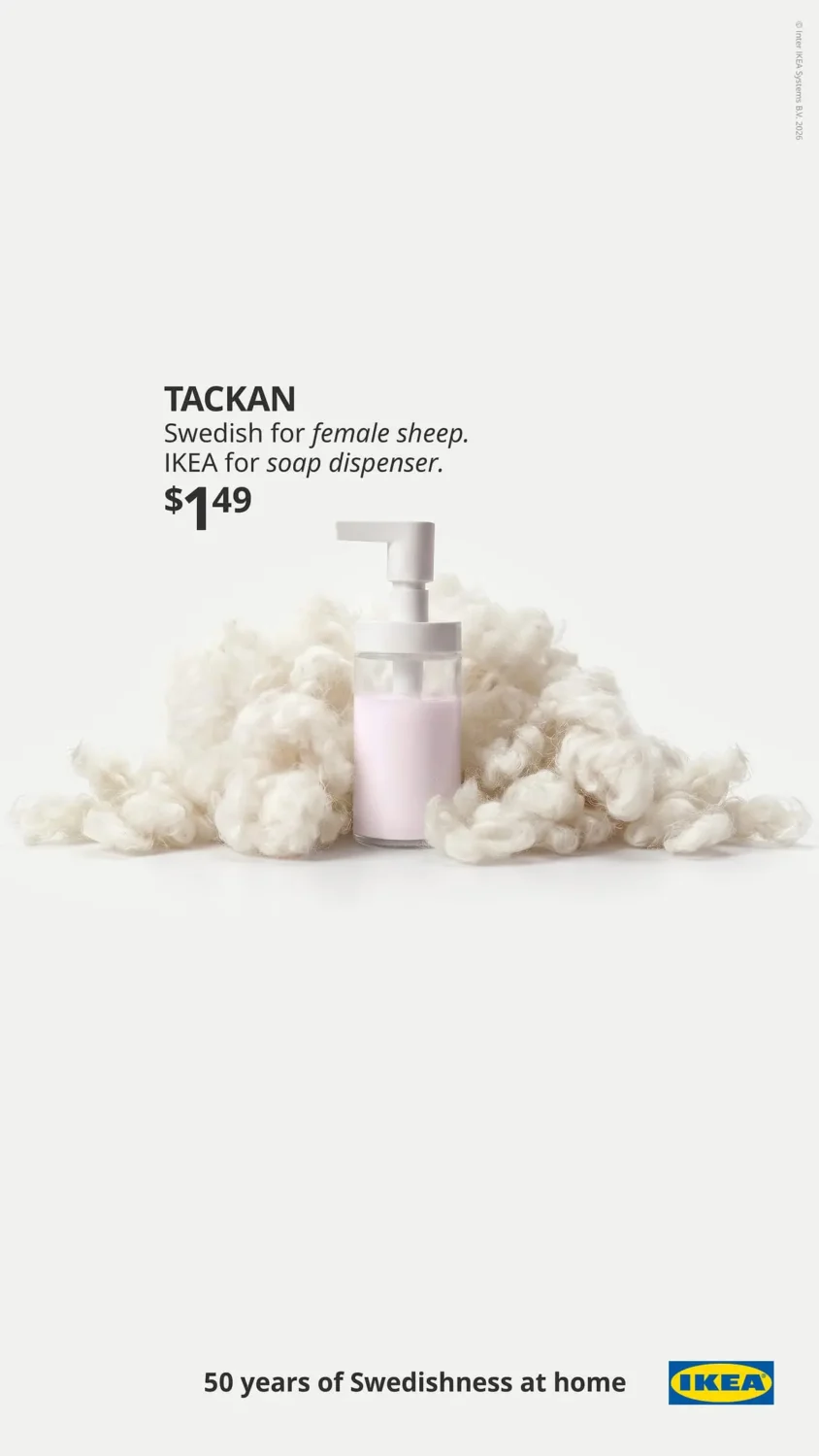
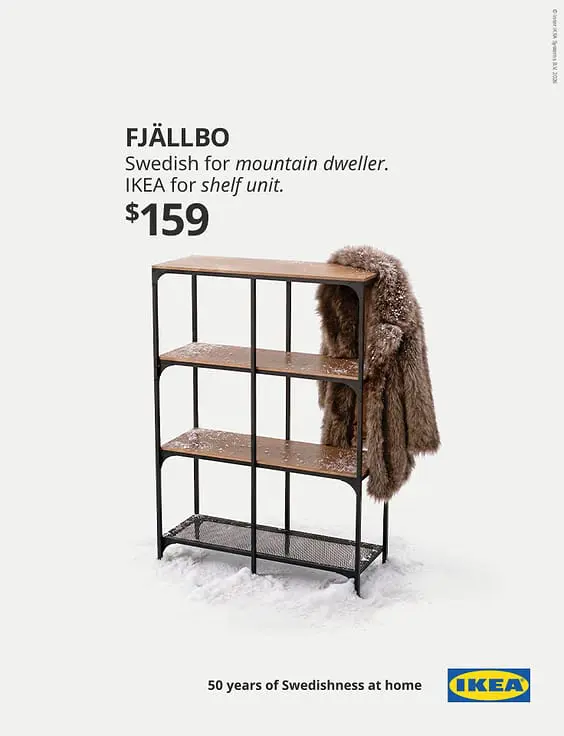
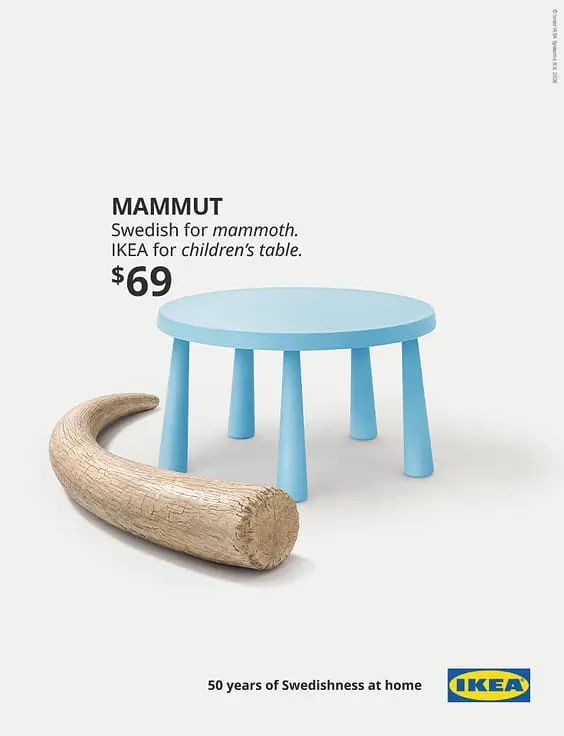
For its 50th anniversary in Canada, IKEA is finally offering some translations. FJÄLLBO means “mountain dweller.” SNIGLAR means “snail.” MAMMUT means exactly what you probably guessed: mammoth.
But the clever part of IKEA Canada’s new “You Give It Meaning” campaign is that the translations are almost beside the point.
Created with Rethink, the campaign uses one of IKEA’s most recognizable brand codes to make a much more emotional argument: IKEA may decide what a product is called, but the people who bring it home decide what it eventually means.
When The Translation Ruins The Moment
The films are built around a simple joke.
Each begins almost sentimentally, showing an IKEA product as part of everyday life at home. The furniture becomes connected to routines, relationships and memories accumulated over years of use.
Then Jonas, IKEA’s Swedish spokesperson in the campaign, interrupts to explain what the product’s name actually means.
The joke gets wonderfully literal.
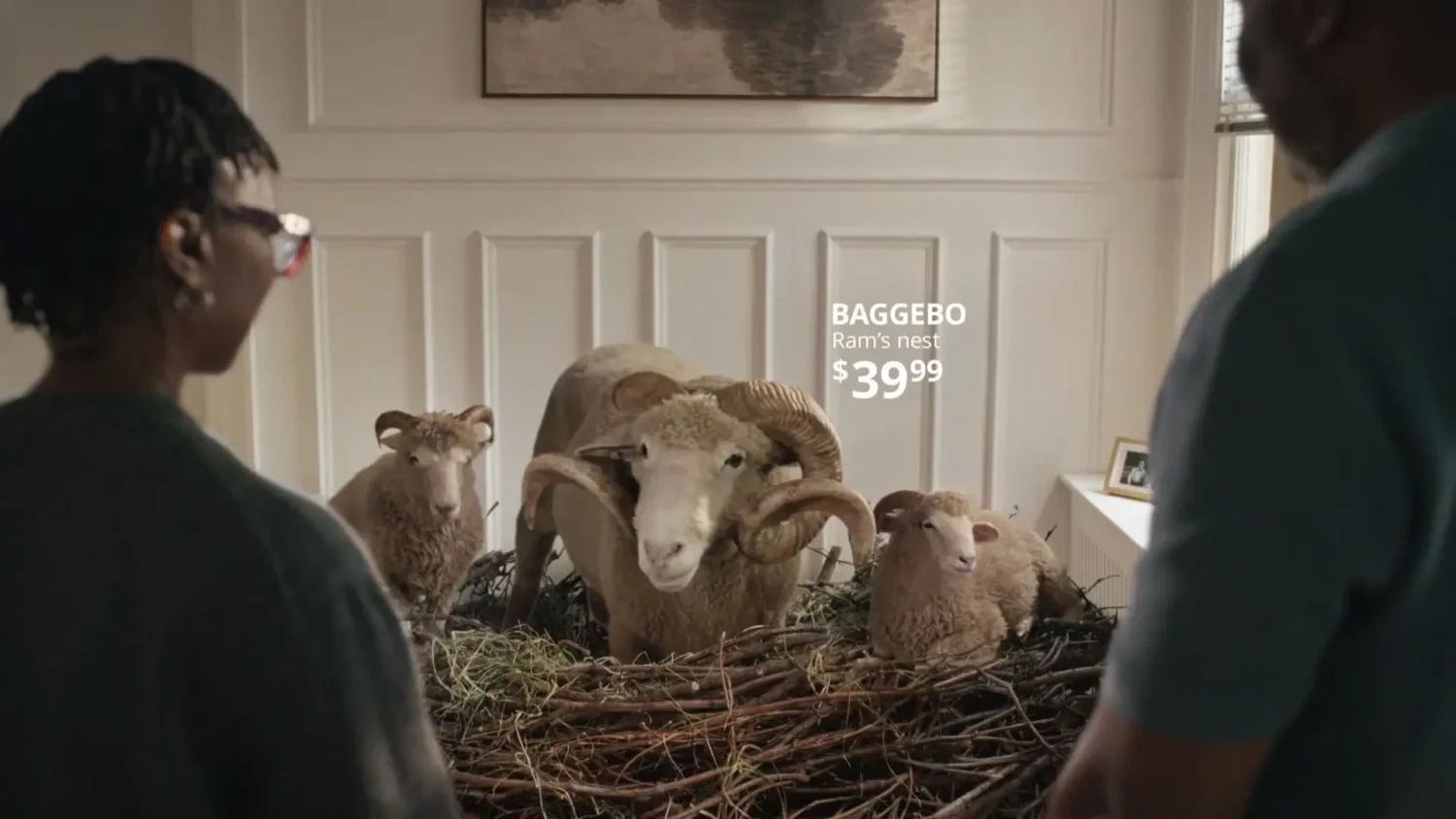
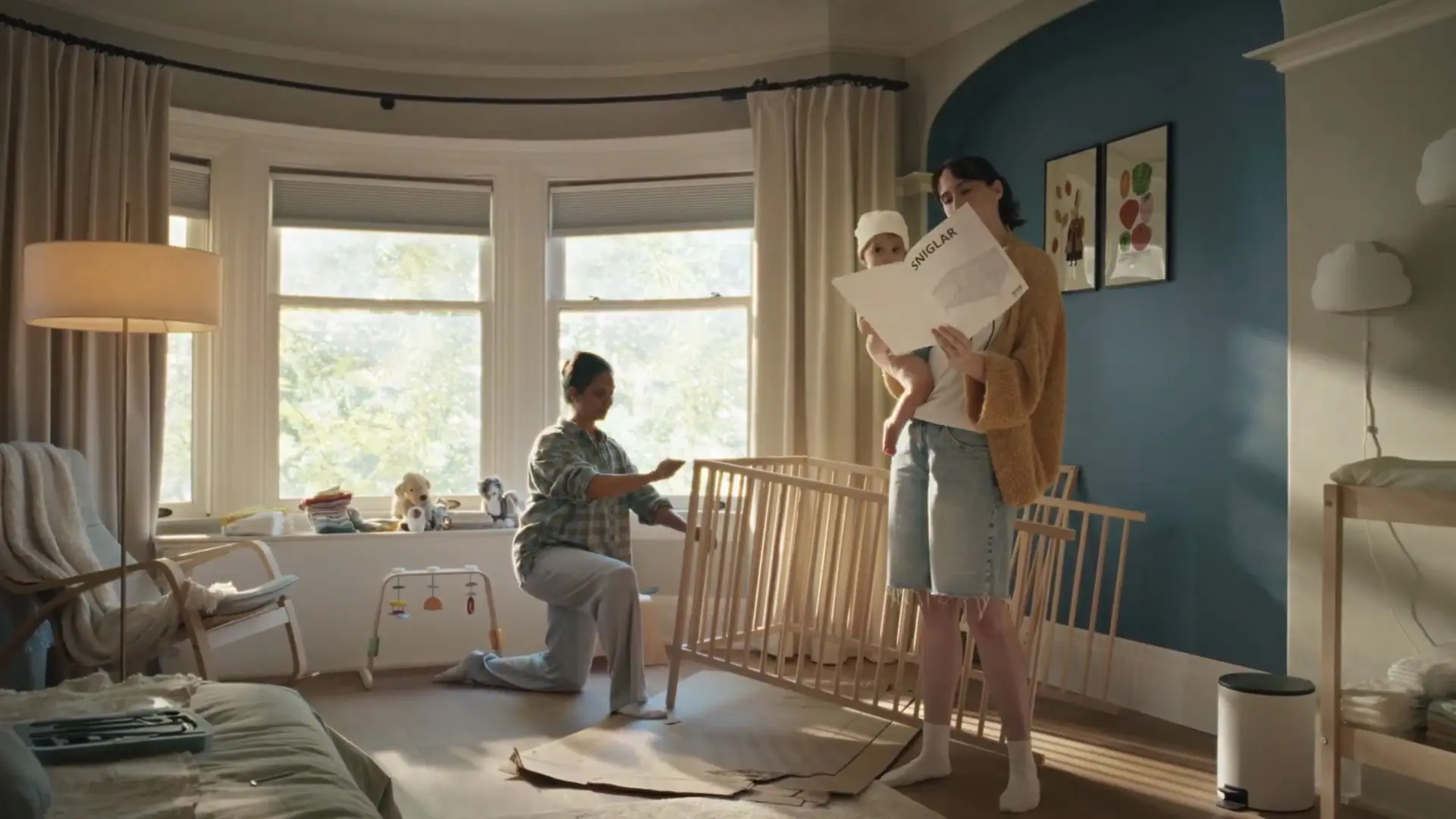
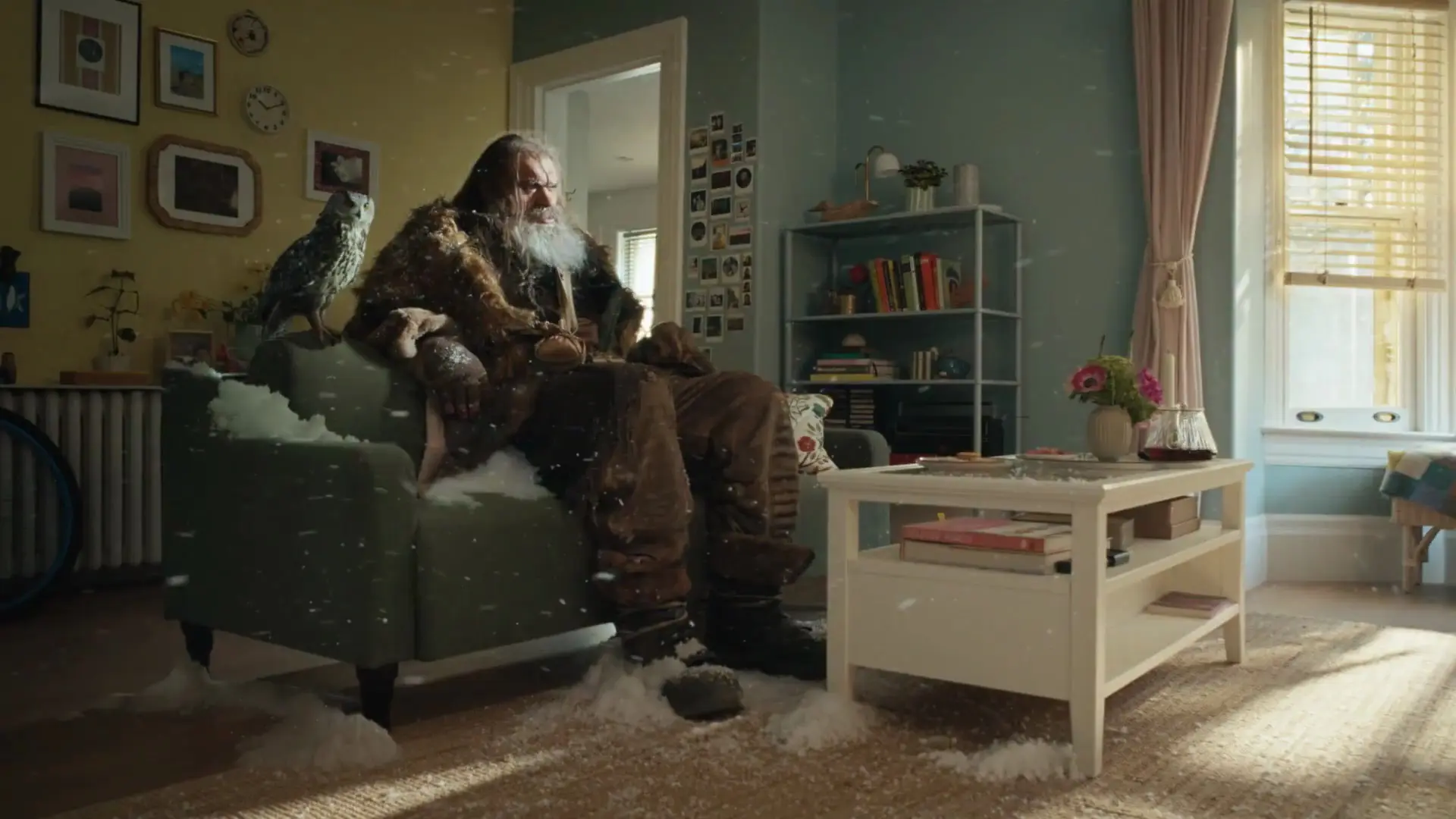
BAGGEBO, translated as “ram’s nest,” becomes a flock of sheep sitting inside an enormous nest in the living room. FJÄLLBO becomes a snow-covered mountain dweller accompanied by an owl. SNIGLAR becomes a giant snail. The name, translation and price then appear on screen using the visual language of an IKEA product listing.
The absurdity works because IKEA has spent decades making these words familiar without requiring anyone outside Scandinavia to understand them.
We recognize FJÄLLBO as IKEA before we know what FJÄLLBO means.
That is a pretty extraordinary piece of brand building.
IKEA Turned A Naming System Into A Brand Code
IKEA’s product names were originally born from practicality.
Founder Ingvar Kamprad reportedly had difficulty remembering numerical product codes, so IKEA developed a system of actual names instead. Different categories pull from different groups of Swedish and Scandinavian words: upholstered furniture often takes Swedish place names, bookshelves use men’s names, and children’s products draw from animals and nature.
Over time, something functional became distinctive.
BILLY, KLIPPAN, POÄNG and thousands of other names now do something most product naming systems never achieve: they make a mass-market object feel like it has a personality.
For its Canadian anniversary, IKEA could easily have made a campaign about 50 years of stores, products and milestones. Instead, it chose something consumers already recognize instinctively and used it to tell the anniversary story.
The brand code becomes the creative idea.
The Customer Owns The Second Meaning
But “You Give It Meaning” gets more interesting when IKEA stops talking about what the names mean in Swedish.
Because once the furniture enters someone’s home, another definition begins forming.
A crib becomes the place where a baby finally slept through the night. A shelf becomes twenty years of family photographs. A table becomes dinner, homework, birthday cakes and difficult conversations.
IKEA gives the product a name.
Life gives it everything else.
That idea runs throughout the brand’s recent creative work. Earlier this month, IKEA Italy built an entire campaign around the unexpected ways customers actually use its FRAKTA bag. In Sweden, the bag itself became a camera framing people’s lives. In Portugal, hidden manufacturing labels became proof of how long IKEA furniture survives inside customers’ homes.
Again and again, IKEA is finding creative value in what happens after it sells the product.
Great Brands Do Not Control Every Meaning
There is a useful lesson here for brands obsessed with consistency.
Strong branding is often treated as an exercise in control. Define what the brand means. Codify the assets. Police their use. Repeat everything until people remember it.
IKEA certainly understands consistency. Very few retailers have a more recognizable visual and verbal system.
But strong brand codes can also become raw material.
The blue FRAKTA bag can become fashion, a camera or a piece of user-generated creativity. A Swedish product name can simultaneously mean “mountain dweller” and the shelf that followed someone through three apartments.
The original meaning does not disappear.
It accumulates.
IKEA’s 50th anniversary campaign works because the brand understands something surprisingly generous about brand building: once people invite your products into their lives, you no longer own every association attached to them.
You can choose the name.
Your customers decide what it means.
Also Read: