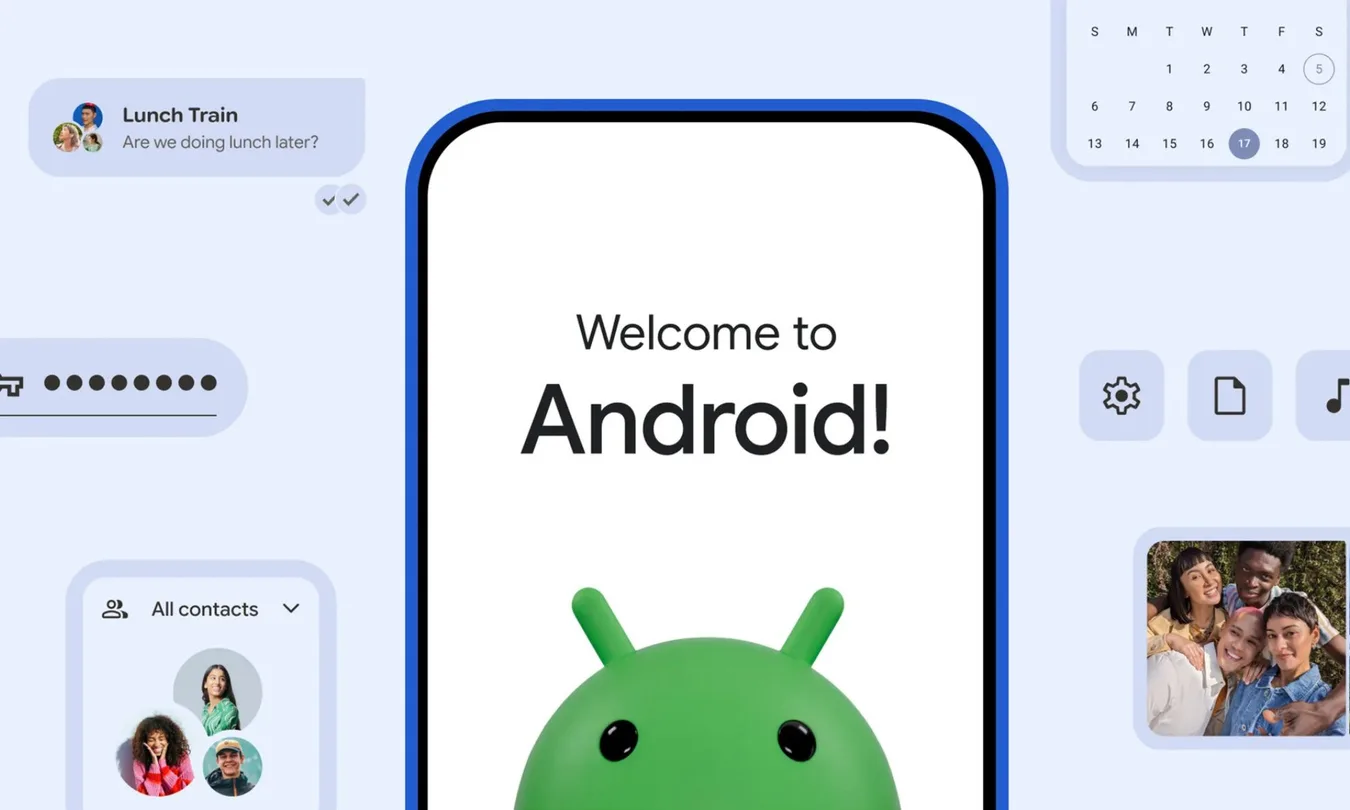
Google is taking aim at one of Apple’s stickiest advantages: the sheer inconvenience of leaving.
With Android 17, Google has upgraded its iPhone-to-Android migration tool to move much more of a user’s digital life across the aisle. Wired transfers can now carry over passwords, passkeys, eSIM data, Google Accounts, and more from an iPhone to an Android device.
That is a small sentence with a big job. Phone switching has never only been about photos and contacts. It is about whether your login life survives the move. Whether your mobile plan follows you. Whether your accounts, credentials, and daily shortcuts make it to the other side without turning the first day with a new device into admin hell.
The switch is moving from content transfer to identity transfer
Google already has an official Android Switch pitch built around moving messages, contacts, photos, videos, and apps. Android 17 pushes that logic deeper into the parts of the phone people notice only when they break.
The new migration flow is especially focused on wired transfers. That matters because cable-based moves tend to be framed as the more complete, more reliable option when someone is setting up a new device. Adding passwords and passkeys makes the transfer feel less like copying files and more like preserving continuity. Adding eSIM support tackles another high-friction moment: getting cellular service working without a trip to a carrier store or a support chat. Adding Google Accounts makes the Android side of the setup more immediate.
In other words, Google is not just trying to make Android easier to start using. It is trying to make the iPhone easier to leave.
This is the same product instinct showing up elsewhere across consumer tech: reduce the gap between the way people already behave and the way the platform wants them to behave. We recently saw a similar logic in WhatsApp’s push to make features fit real-life habits. The best utility updates are often not flashy. They simply remove the moment where users would otherwise give up.
Google is attacking lock-in at the boring layer
Apple’s ecosystem strength is often described through hardware, design, iMessage, AirDrop, FaceTime, or the emotional pull of the iPhone. But a lot of lock-in lives in much less glamorous places: saved credentials, authentication flows, carrier settings, account setup, and the fear that something important will not make the trip.
That is why Android 17’s migration upgrade matters. It is not trying to win the argument with a new camera feature or a clever AI demo. It is working on the boring layer where switching decisions become real.
For brands, developers, and platform teams, the signal is simple: onboarding is no longer just the first screen after download or device setup. It is the moment a user decides whether the cost of change is worth it. The platforms that make continuity feel automatic will have a better shot at winning switchers, especially as AI features, device ecosystems, and subscription bundles make people reconsider what their phone should do for them.
Google still has to convince iPhone users that Android is where they want to land. But with Android 17, it is removing more of the practical reasons they never start the journey.
Also Read:
WhatsApp’s New Features Are About Real-Life Habits
Threads Joins Meta’s Parental Supervision Stack
WhatsApp’s Liquid Glass Redesign Is Coming To Mac