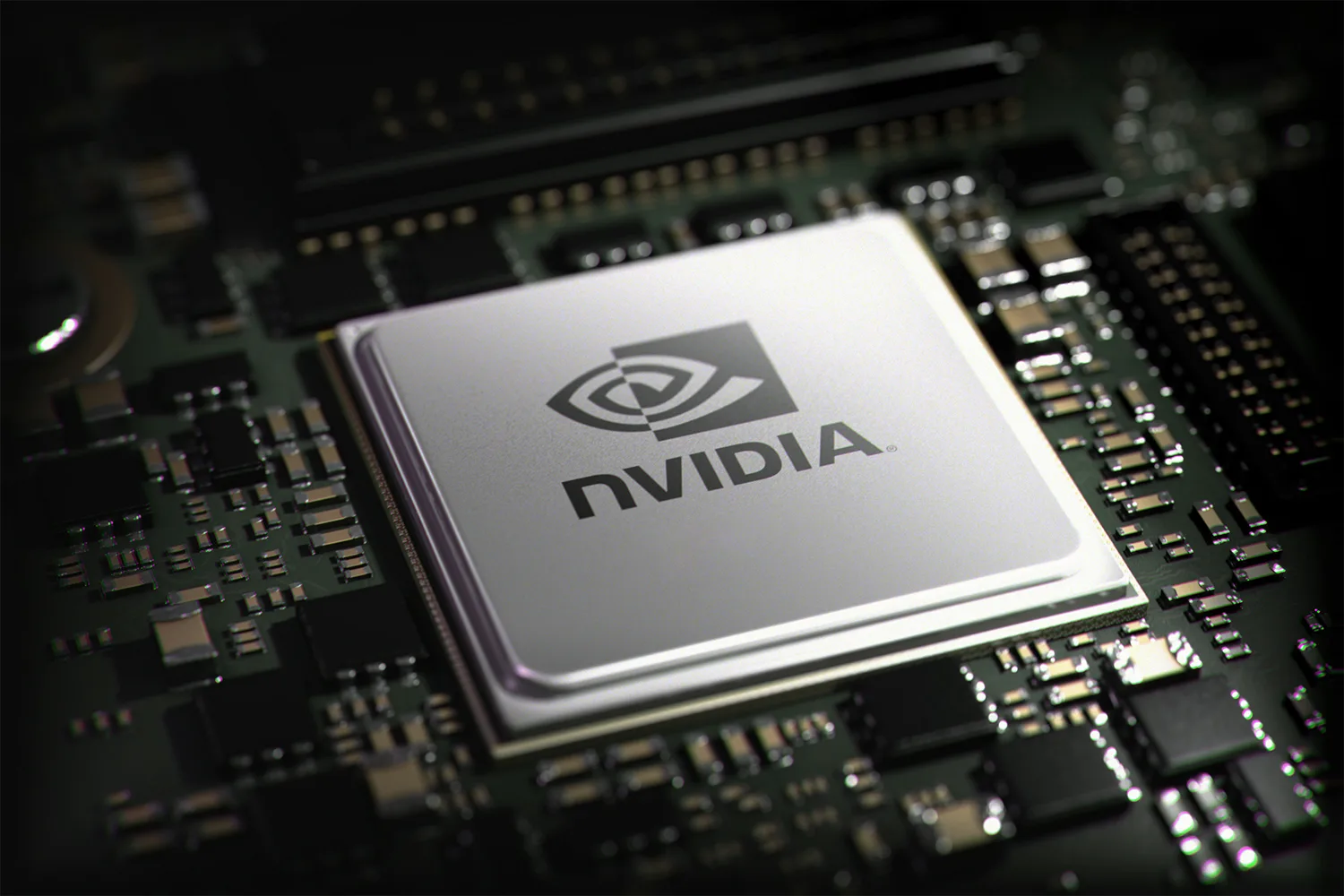
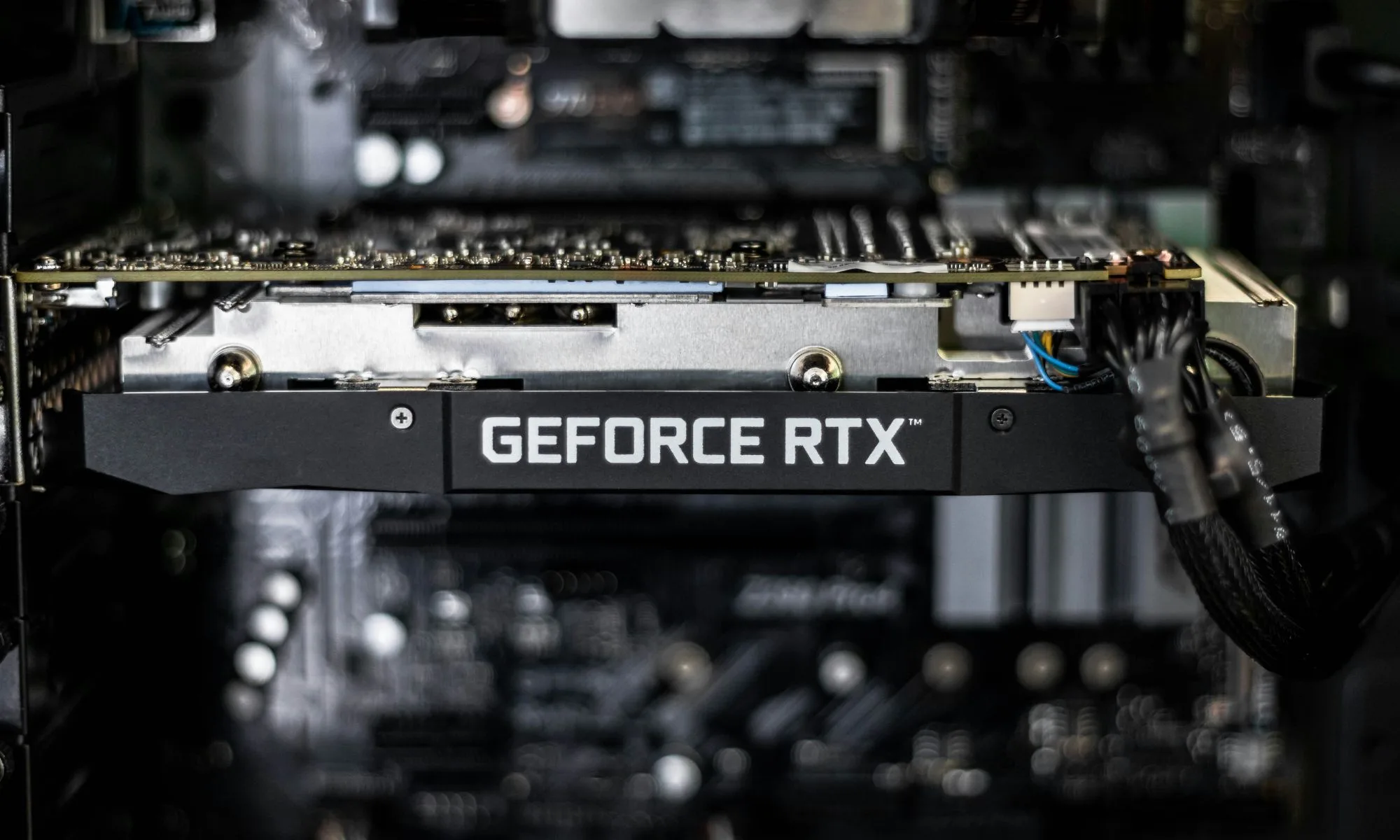
For years, Nvidia has quietly powered the most demanding parts of your digital life, from high-end gaming GPUs to the AI infrastructure behind ChatGPT. But now, the company is aiming for something much closer to home: your entire laptop.
According to a report from the Wall Street Journal, Nvidia is preparing to launch laptops powered by its own Arm-based processors before the end of the year. And this isn’t just another chip announcement. It’s a strategic pivot that could reshape the Windows PC landscape.
From Graphics Giant to Full-System Player
Traditionally, Nvidia has supplied discrete GPUs that work alongside CPUs from companies like Intel and AMD. This time, it’s different.
The company is developing a full system-on-a-chip (SoC) combining CPU, GPU, and dedicated AI acceleration into a single unit. Think less “graphics add-on,” more “brain of the machine.” Major manufacturers including Dell and Lenovo are reportedly already working on devices built around these processors.
The goal?
- Lighter laptops.
- Better battery life.
- Stronger on-device AI.
In other words: a direct challenge to Apple and its Apple Silicon-powered MacBooks, which have redefined expectations around performance per watt.
AI Is the New Battleground
This move isn’t happening in isolation. The entire industry is shifting toward architectures optimized for on-device AI, from real-time language processing to image generation and local inference. Companies like Qualcomm are already pushing AI-first Windows machines. Nvidia entering the race with its own vertically integrated solution raises the stakes significantly.
If successful, Nvidia won’t just be competing on graphics performance. It will be competing on system design, thermal efficiency, unified memory architecture, and AI-native workflows, the same playbook that helped Apple reset the laptop conversation.
If Nvidia gets this right, expect:
- Thinner designs with serious performance
- Competitive battery life
- AI features deeply embedded into Windows
- Cohesive hardware-software optimization
But first-generation platforms always come with friction. Software compatibility, thermal tuning, and ecosystem maturity could all present early hurdles.
Still, if Nvidia can translate its AI and graphics dominance into a compelling laptop chip, it could mark one of the biggest shifts in the PC processor market in over a decade.
Also Read:
Meta Leaves the Metaverse Behind as Horizon Worlds Goes Mobile-First
ZIEA Introduces an AI Desk Companion Designed to Keep You Focused
Apple Is Reportedly Turning Siri Into a Full AI Chatbot