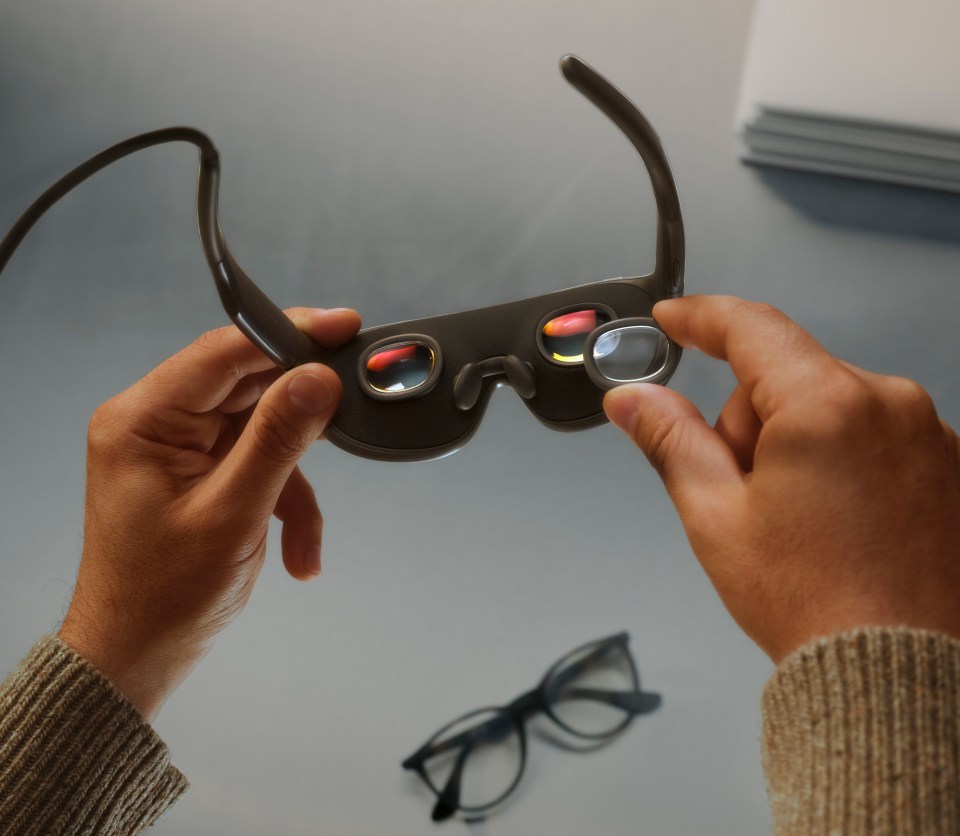
Meta is putting a $1,299.99 question in front of the VR market: can a pair of glasses become a personal cinema, sports venue, workstation and game console at the same time? Meta VR Glasses will go on sale in spring 2027, weighing about 100 grams and running on the same Horizon OS ecosystem as Meta Quest.
That positioning matters more than the hardware category. Meta is no longer presenting VR as something people strap on for a specific game or short experiment. It is selling the glasses as a place where more of everyday media life can happen.
Meta is selling access to everything, everywhere
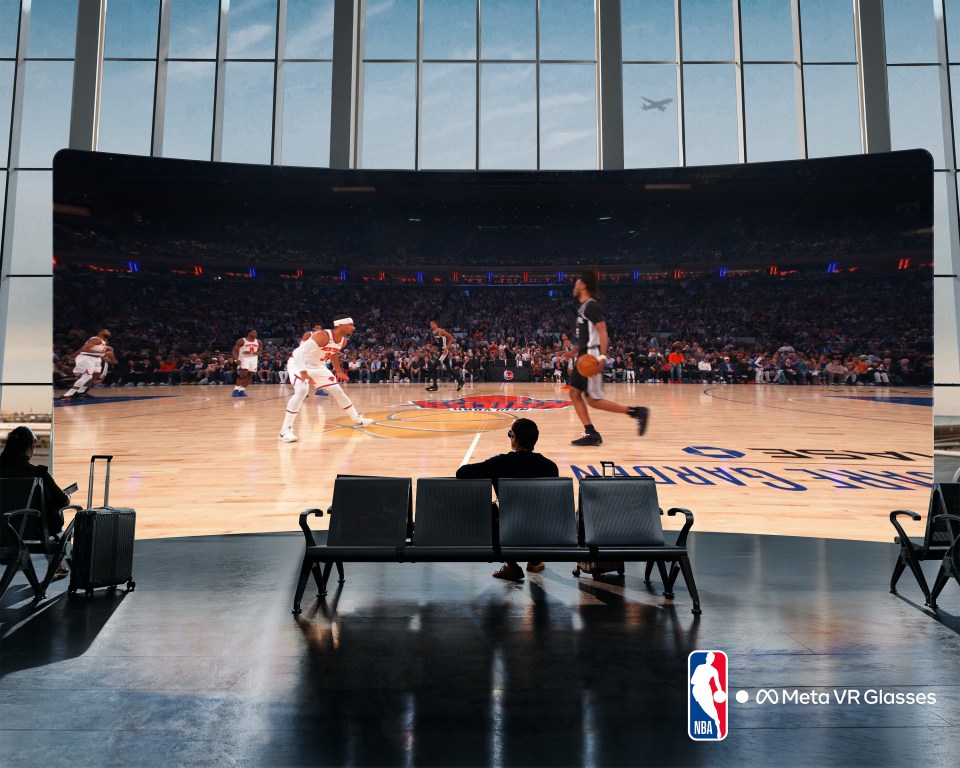
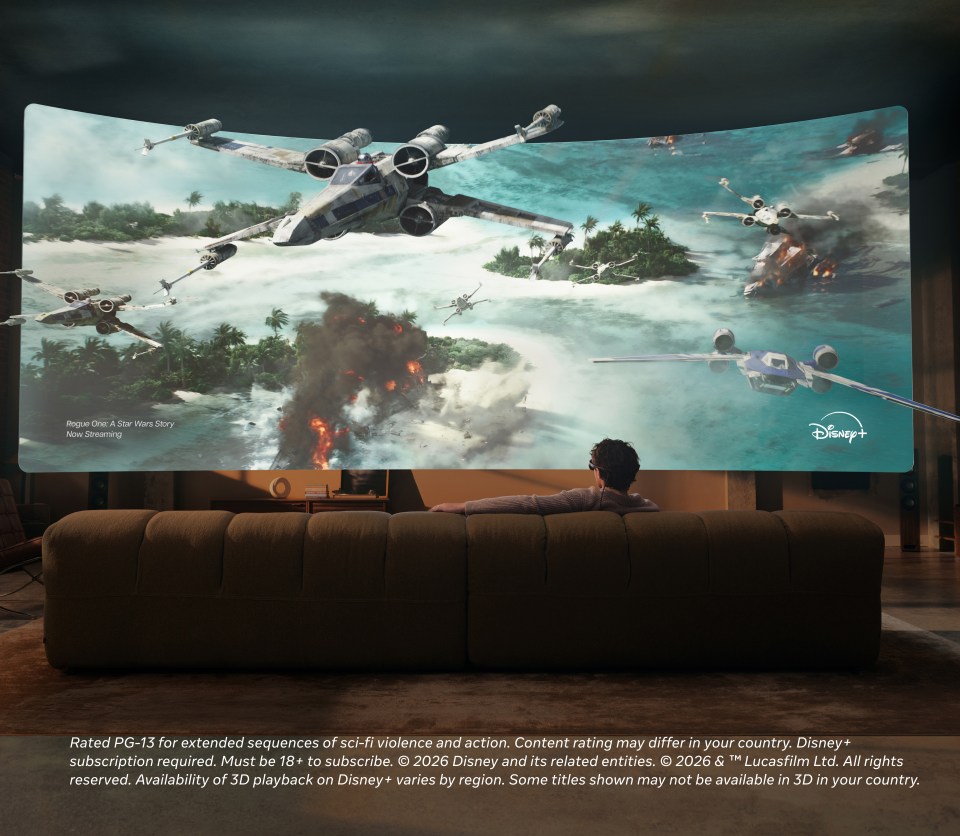
The official Meta VR Glasses announcement is built around familiar entertainment promises. The device will support 3D movies, including IMAX Enhanced content, and offer access to more than 100 immersive live U.S. sports events each year through partners including ESPN and TNT Sports.
Meta also describes the glasses as a multi-screen workspace. A flat surface can become a keyboard and touchpad, while the wearer can arrange virtual screens without carrying a monitor or laptop display. The glasses use eye and hand tracking as primary inputs, with Meta’s developer tools already available ahead of the hardware launch.
That combination gives Meta a stronger answer to the usual VR problem: most people do not need another destination device. They need a better reason to use one. A movie, a live game and a private work setup are easier to understand than an abstract promise about the metaverse.
The content bundle is doing the selling
The device’s most important feature may be the list of services attached to it. Tubefilter’s discovery report points to YouTube, Prime Video, Peacock, HBO Max, Paramount+, DIRECTV, AMC+, Crunchyroll, Plex and Tubi, alongside sports services and channels including NBA, MLB, ESPN, NBC Sports, TNT Sports and UFC.
That matters because a $1,300 product cannot rely on novelty alone. Meta needs the glasses to feel useful before developers create an entirely new category of experiences. The launch lineup gives people a familiar reason to put them on, while the Horizon OS and SDK give developers a path to build beyond video playback.
The strategic bet is clear. Meta wants the hardware to disappear into the behavior. If the glasses become the easiest way to watch a game, open several private screens or play a spatial game, the product starts to look less like an expensive headset and more like a new media surface.
The risk is equally clear: a deep app catalog can make the glasses useful, but it cannot by itself make them indispensable. Meta’s next challenge is turning a strong collection of third-party entertainment into a reason people choose the glasses over the free screens already around them.
Also Read: