Our smartphones often tell the full story of our nights out. Between blurry selfies, random snapshots, and chaotic group photos, camera rolls become a kind of visual diary of the moments we share with friends.
That everyday behavior is exactly what McDonald’s tapped into with “Camera Rolls,” a new campaign created by Leo Burnett UK. The idea started with a simple observation: when people voluntarily shared their photo galleries from nights out, the final image often had something in common: a late-night stop at McDonald’s.
A campaign built from real photo galleries
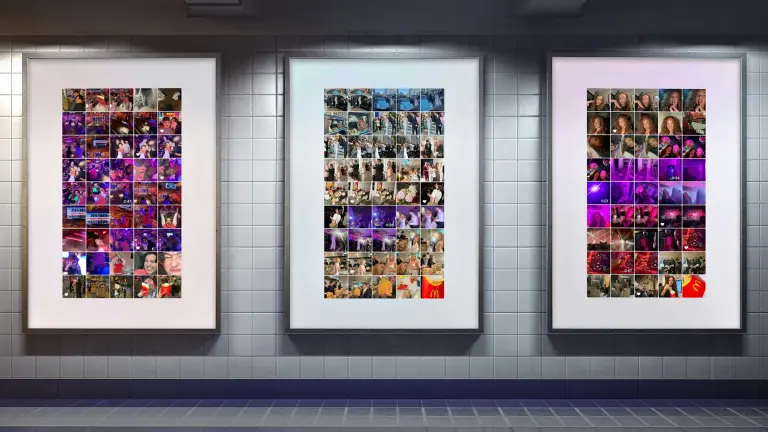
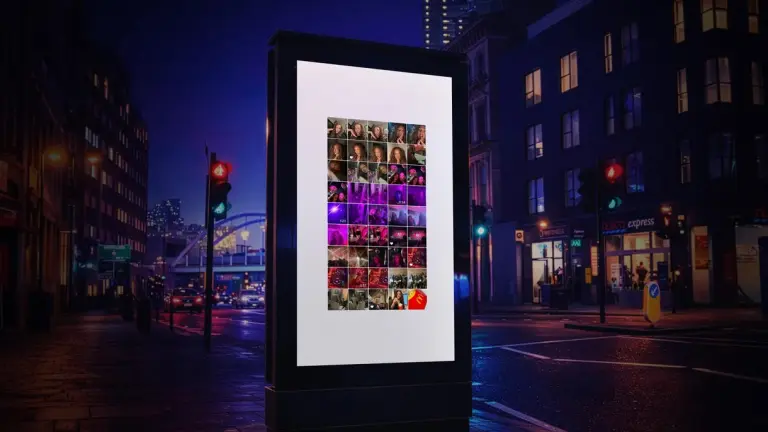
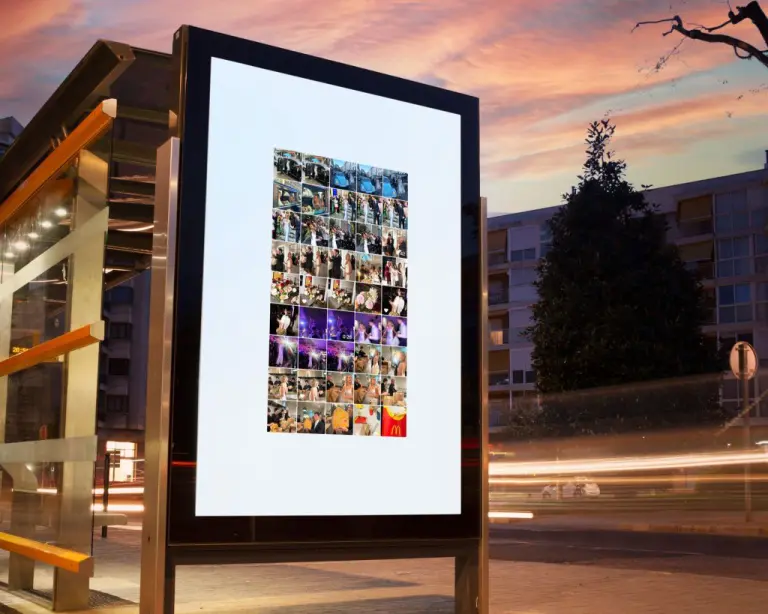
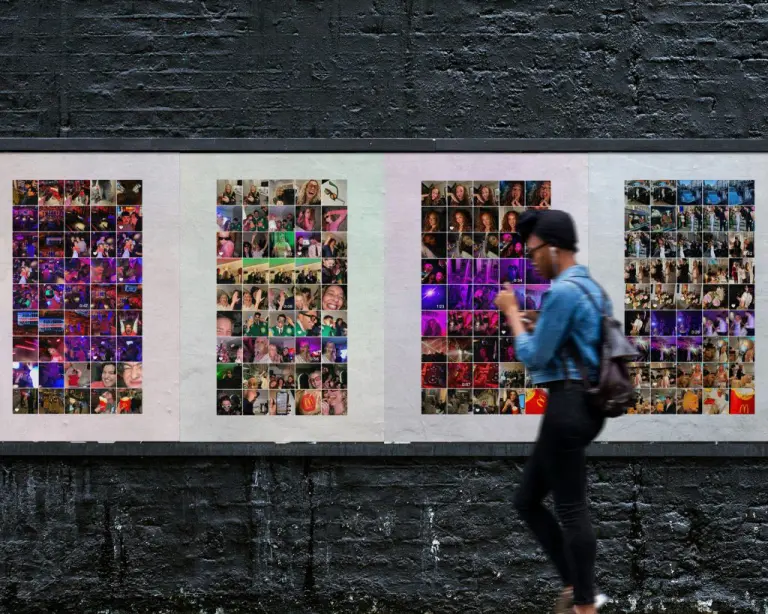
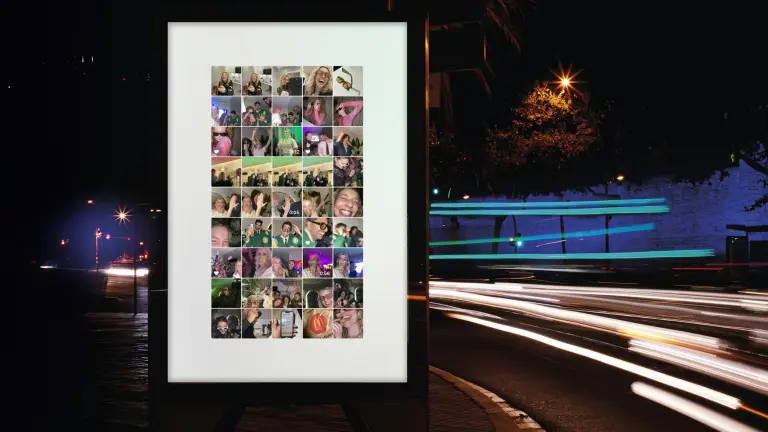
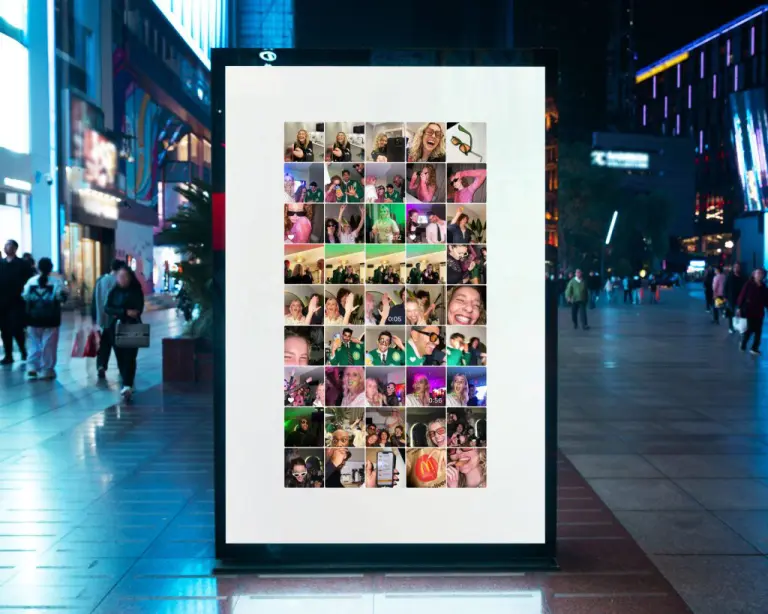
Instead of recreating nightlife moments with staged photography, McDonald’s leaned into authenticity. The campaign visuals replicate the exact look of a smartphone camera roll, showing a sequence of images from the start of a night to its final moments.
Scrolling through the gallery reveals familiar scenes: friends bowling, dancing, celebrating weddings, or simply hanging out together. But the last photo in many of these sequences tells the same story, the inevitable late-night visit to McDonald’s.
By framing the ads as screenshots of real camera rolls, the campaign turns something deeply personal and relatable into a storytelling device that instantly resonates with viewers.
Launching around the Brit Awards
The campaign debuted in the UK around the Brit Awards 2026, one of the country’s biggest music events. The morning after the ceremony, British creator GK Barry shared her own camera roll from the night.
Just like the campaign predicted, the final photo showed a stop at McDonald’s. The post quickly surpassed 100,000 likes, reinforcing the brand’s insight that McDonald’s often plays the role of the night’s final destination.
Turning a shared habit into social content
To extend the idea beyond traditional advertising, McDonald’s is inviting people to share their own camera rolls from nights out.
On Instagram, the brand is using the “Add Yours” sticker to encourage users to post their own end-of-night photo sequences. The concept also lives across TikTok and Instagram through content formats designed to mimic the familiar interface of smartphone galleries.
The goal is simple: transform a behavior people already share into a collective conversation online.
Culture first, advertising second
What makes the campaign interesting isn’t the format, it’s the observation behind it.
McDonald’s isn’t trying to invent a new ritual. It’s recognizing one that already exists.
Great brand ideas often start exactly there: spotting the small, everyday behaviors people repeat without thinking. In this case, the camera roll becomes proof of a cultural truth that for many people, the best nights out still end the same way: with fries, burgers, and a quick stop at McDonald’s before heading home.
Also Read:
Chupa Chups Launches an “Impossible” Lollipop to Tease Its New Packaging
The Salvation Army Opens the First Digital Thrift Store on Roblox
Heinz Invents a Fries Box With a Built-In Ketchup Compartment