


LinkedIn is testing a new Network tab that would give users a feed made up of people they explicitly follow or are connected to. The trial offers a more direct alternative to LinkedIn’s main feed, where algorithmic recommendations and suggested conversations increasingly shape what appears.
The test was reported by LinkedIn Chief Product Officer Hari Srinivasan describing the tab as a way to help users stay connected to their network. The wording matters. LinkedIn is not presenting this as another discovery surface. It is positioning the feature around people users already know.
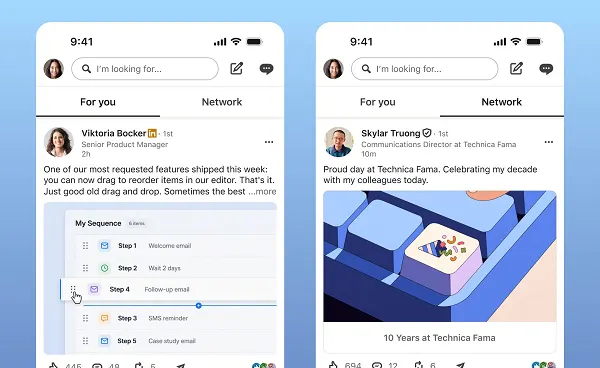
LinkedIn wants the feed to feel less manufactured
The Network tab arrives as LinkedIn faces a familiar platform problem: engagement can be abundant while the experience still feels strangely impersonal. Engagement pods have been used to inflate post performance, while AI-generated content is making professional feeds harder to trust and easier to flood.
A feed limited to direct connections and follows does not solve either problem by itself. People in a user’s network can still post repetitive, promotional, or machine-generated content. But the tab gives LinkedIn a cleaner way to separate relationship-driven updates from the wider recommendation system.
That distinction could matter for users who want to see what colleagues, clients, peers, and industry contacts are actually sharing without first passing through a layer of trending topics and suggested posts.
The test is also a retreat from endless discovery
LinkedIn has spent the past year experimenting with alternative feeds, including topic-based suggested feeds designed to connect users with broader conversations. Social Media Today notes that earlier experiments did not expand into permanent products.
The Network tab takes the opposite route. Instead of asking users to explore more of LinkedIn, it narrows the experience to relationships they have already chosen. That makes the feature easier to understand, but also raises the harder product question: will people open LinkedIn more often for a feed that is deliberately less surprising?
For LinkedIn, the answer may depend on whether a smaller, more familiar feed creates better conversations than a larger one optimized for activity. The test suggests the platform is willing to trade some discovery for a stronger sense that the content comes from real professional relationships.