Once one of the most influential platforms of the early internet, Digg is officially back. The company has launched the public beta of its reboot, positioning itself as a modern alternative to Reddit, but with a very 2026 ambition: rebuilding trust in online communities in the age of AI.
At the helm is an unexpected but symbolic duo: Digg founder Kevin Rose and Reddit co-founder Alexis Ohanian. Two architects of the social web, now teaming up to rethink what community platforms should look like post-Web2, post-toxicity, and post-AI slop.
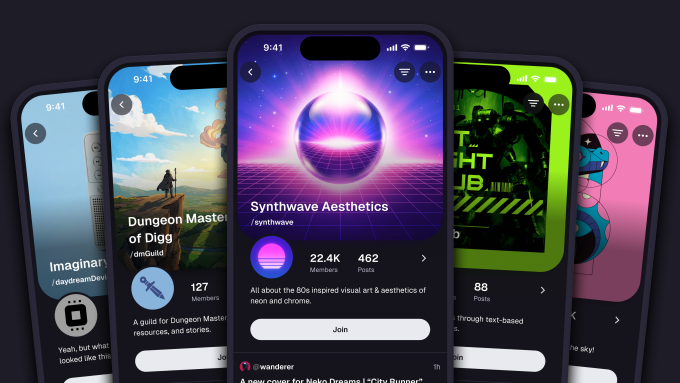
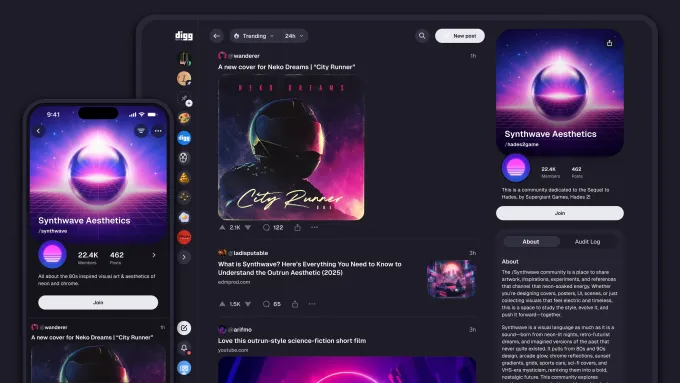
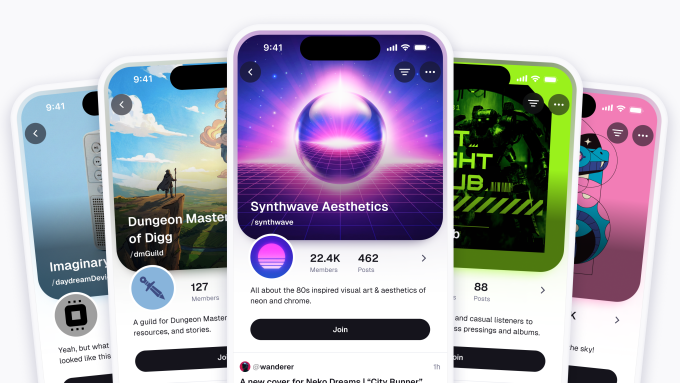
On the surface, the new Digg looks familiar. Users can browse topic-based communities, post content, comment, and upvote, still called a “digg.”
But the real shift isn’t in features. It’s in intent. Digg isn’t trying to out-scale Reddit. It’s trying to out-signal it.
The founders believe the next generation of platforms won’t win by maximizing engagement at all costs, but by proving who (and what) is real.
Rebuilding Trust Without Forcing Identity
Rather than imposing strict identity checks or KYC-style verification, Digg is experimenting with what Rose calls a “platter of trust signals.”
Among the ideas being tested:
- Zero-knowledge proofs, allowing users to verify attributes without exposing personal data
- Ownership-based communities, where members prove they actually use or own a product before posting
- Contextual real-world signals, like attending the same meetup or event via mobile presence
No blue checkmarks. No single gatekeeper. Just layered proof that a community is made of real people, not bots, farms, or synthetic personas. In an internet increasingly flooded with AI-generated content, that’s a bold bet.
Digg is also taking a different approach to governance. Community moderators will have their decision logs publicly visible, making moderation actions transparent instead of opaque. Each community sets its own rules, and while early versions limit forums to a single manager, that structure will evolve.
The company has also brought in former Reddit moderators as advisors, and is openly questioning the long-standing expectation that moderation should remain unpaid or invisible labor.
How that evolves remains unclear, but Digg is at least acknowledging the problem.
Built in Public, on Purpose
The product itself is intentionally lightweight. The redesigned interface introduces:
- A pinned community sidebar
- A more visual, feed-driven layout
- Early support for integrations (e.g. Letterboxd scores in movie communities)
Digg’s leadership is explicit: this isn’t a finished platform. It’s a foundation.
Features will ship fast, guided by community feedback, including reconsidering things like the platform’s AI-generated podcast, which users have already asked to be hosted by real people instead.
As platforms turn user-generated content into training data, trust becomes the scarcest resource online. Digg is betting that smaller, verified, transparent communities will matter more than massive, anonymous scale.
Also Read:
Youtube Gives Parents A New Way To Block Kids From Watching Shorts
1 in 5 YouTube Shorts Is Now AI Slop
Reddit Is Testing Verification Badges