Sending money to a friend used to be the simplest transaction in the world. You owe someone $40, you send $40, it’s done. Not anymore.
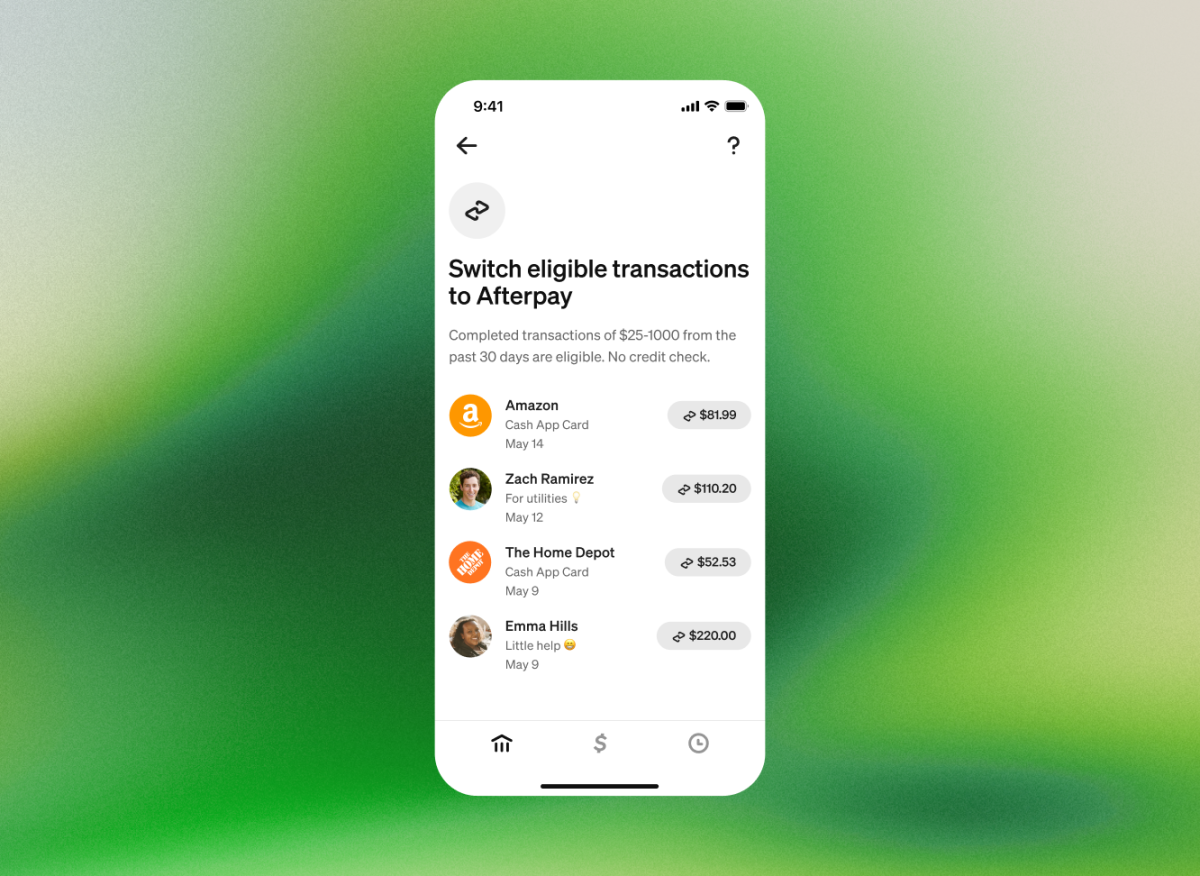
Cash App is now testing a new “pay later” feature that lets users spread out peer-to-peer payments over time. In other words, you can now finance the money you send to your friends.
Yes, even that $25 Venmo for dinner.
The mechanic is simple: eligible users can convert transfers of $25 or more into a short-term payment plan. There’s a 7.5% fee, and repayments can be made weekly over up to six weeks. It’s not radically different from what platforms like Klarna have been doing for years. The difference is where it’s happening.
We’ve officially moved from financing purchases… to financing relationships.
A year ago, DoorDash letting people split burritos into installments felt like a meme. Now, that same logic is creeping into the most basic social interactions, paying friends, splitting rent, covering drinks.
The shift is subtle, but it’s big: debt is no longer tied to consumption. It’s tied to participation.
The gig economy meets flexible debt
Cash App frames this as “cash flow management,” especially for younger users navigating irregular income. And they’re not wrong.
A generation of freelancers, creators, and gig workers doesn’t live on predictable paychecks anymore. Money comes in waves. Expenses don’t.
So instead of changing the system, fintech is adapting behavior:
- If income is unstable, payments become flexible
- If money is unpredictable, debt becomes normalized
The result? Financial tools that feel less like credit… and more like infrastructure.
But there’s a tension here.
“Buy now, pay later” has already been criticized for turning everyday purchases into micro-debt loops. Now imagine that logic applied to social life: Splitting dinner, financed. Paying a friend back, financed. Sending money home, financed.
At that point, it’s not just commerce that’s being financialized, it’s human interaction.
Cash App says safeguards are built in (no revolving debt, limited access if you miss payments). But culturally, the shift is already happening.
Money used to be binary: you had it, or you didn’t. Now it’s elastic.
And as that elasticity expands, so does the definition of what’s “normal” to finance.
Also Read:
With The Clinker Heineken Turns “Cheers” Into a Matching Tool
Capsule Coffee Is Having Its Streetwear Moment
Airbnb Introduces a New Private Car Pick-up Service