TikTok is adding more ways for people to see what is happening inside the app, from whether a video was made with TikTok’s AI tools to what content a teenager is being shown. The move brings transparency, creator protection, and parental oversight into one broader product push.
TikTok announced the updates at its third Safety and Innovation Summit. The package includes an AI transparency tool, likeness detection for eligible creators and public figures, expanded Family Pairing controls, and a new Educator’s Guide for teachers.
TikTok wants AI content to be easier to question
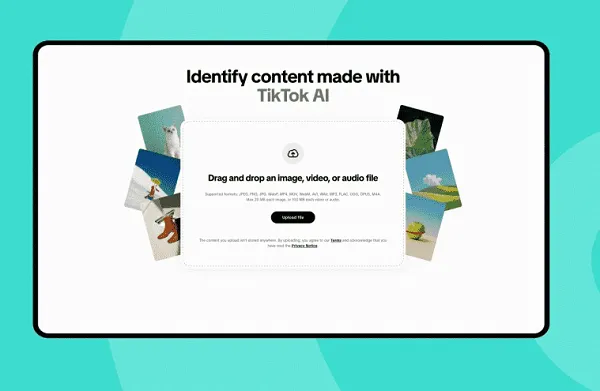
The most immediate feature is a tool in TikTok’s Transparency Center that lets people upload an image or video to check whether it was generated or edited using TikTok’s own AI creation features. The check looks for signs of TikTok’s digital watermarking, and the article says people can use it even without a TikTok account.
That is a practical response to a problem platforms helped create. Labels attached to a post are useful when they are visible, but they are less helpful once a video has been downloaded, reposted, or separated from its original context. An external check gives users another way to interrogate content after it has travelled.
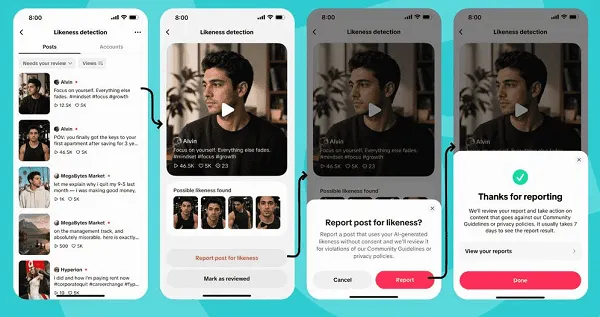
TikTok is also testing a more personal form of protection. Its likeness detection tool allows eligible creators and public figures to verify their identity through a trusted third-party partner. TikTok can then cross-match incoming uploads for content that includes their image. The company says people can report harmful, misleading, or nonconsensual depictions directly to its safety teams.
Parents get more visibility, not just more screen-time data
The Family Pairing update moves beyond the familiar question of how long a teenager has been using TikTok. Parents will be able to see more about what their child is posting and receive a sample of content from verified creators the teen follows. That offers a partial view of the communities and topics shaping the experience, rather than treating screen time as the whole story.
TikTok also says it is working with experts on an alert for repeated searches linked to known self-harm terms. The proposed notification would give parents guidance on how to check in and start a conversation. The distinction matters: the feature is described as being developed, not as a fully available intervention.
For TikTok, the strategic shift is clear. Safety is becoming less about removing bad content after the fact and more about making the recommendation environment, creative provenance, and personal exposure easier to understand. That will not settle every concern around teen use or synthetic media. It does make transparency part of the product experience, which is increasingly where platforms will have to defend trust.
Also Read: