Gentle Monster is not introducing intelligent eyewear as a piece of consumer electronics. It is introducing it as a world you are meant to enter.
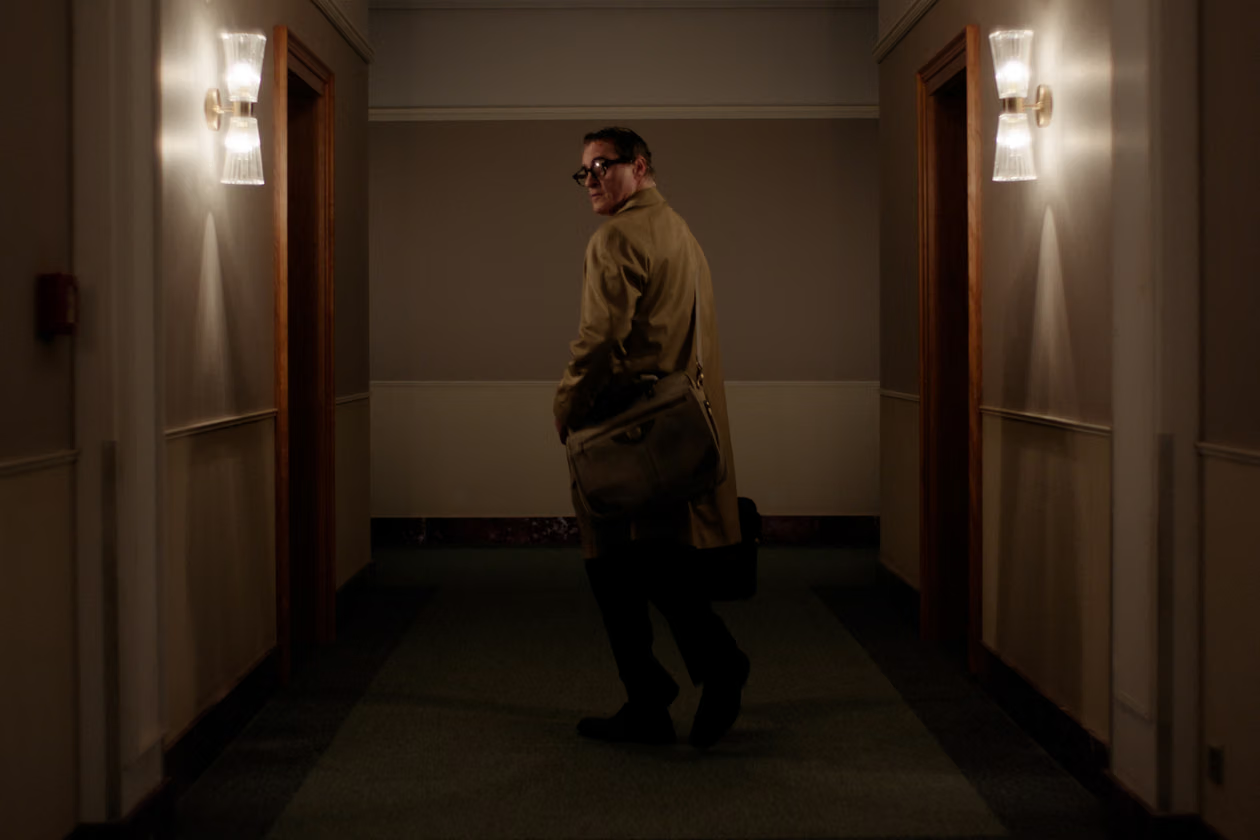
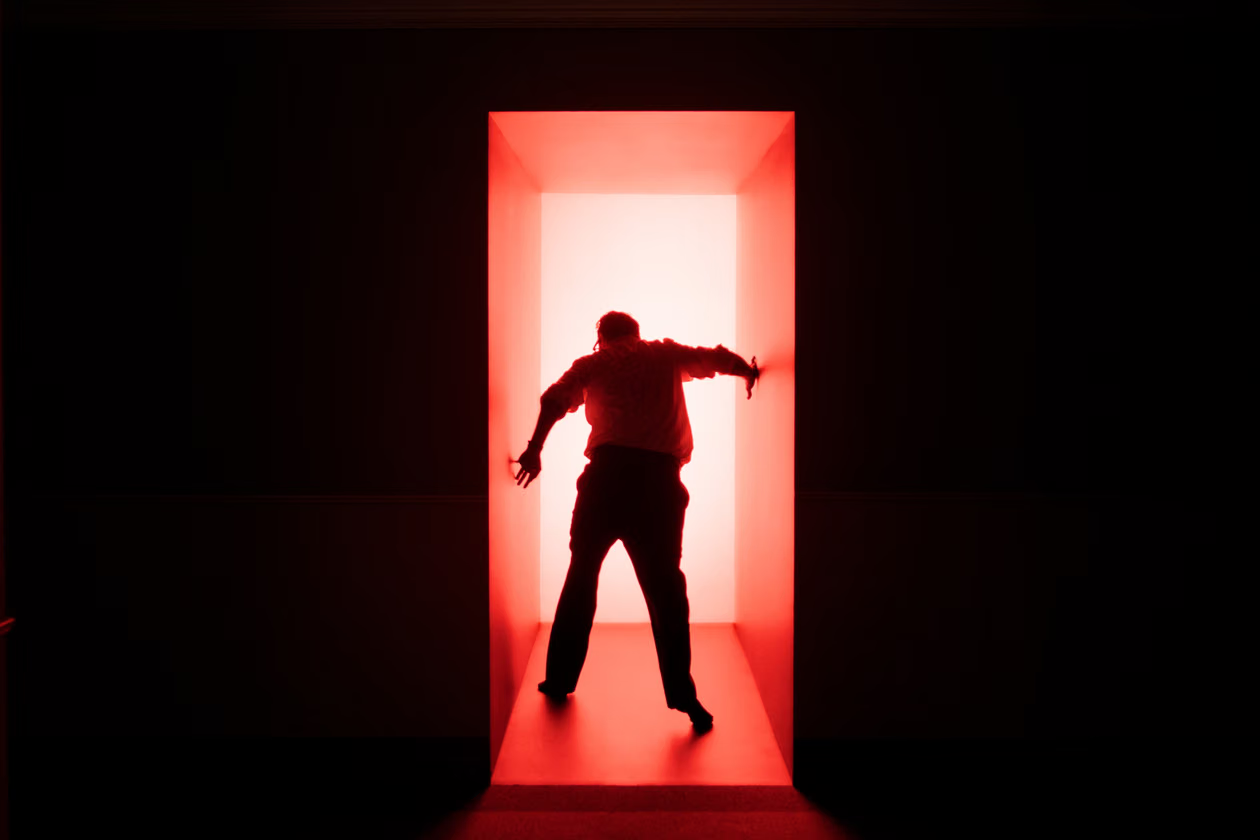
The South Korean eyewear brand has cast Joaquin Phoenix in its first intelligent eyewear campaign, directed by Jonathan Glazer. The campaign follows Phoenix through a mysterious hotel where increasingly strange encounters turn the glasses into a tool for communicating with unfamiliar entities. Pre-orders are scheduled to open on November 12, with a public preview in New York running from November 13 to 23.
That is a very different entry point from the usual smart glasses pitch. There is no emphasis here on a feature checklist, battery life, or a familiar demo of hands-free convenience. Gentle Monster is presenting the category as an experience problem: what happens when the world around you becomes harder to understand, and eyewear helps you interpret it?
The campaign makes the interface feel like part of the culture
The creative choices are unusually deliberate. Phoenix is not simply a celebrity wearing a new frame. He plays a salesman moving through a surreal hotel, while Glazer brings the same unsettling sensibility associated with Under the Skin and The Zone of Interest. The technology is placed inside a narrative about perception, communication, and the limits of what appears real.
That matters because intelligent eyewear still has a category problem. The hardware is visible before its value is understood. A camera, microphone, speaker, or assistant can be useful, but it can also make the wearer look like they are carrying a piece of unfinished infrastructure on their face.
Gentle Monster is attacking that problem through meaning rather than explanation. The frame becomes a character in the story. Its intelligence is not presented as an isolated technical trick, but as something that changes how Phoenix moves through an environment and relates to other beings within it.
The approach also fits the brand’s existing language. Gentle Monster has spent years making eyewear feel closer to fashion, installation, and performance than to conventional accessories. Moving into intelligent eyewear could have disrupted that identity. Instead, the campaign suggests that the technology will be absorbed into the same surreal, highly authored universe.
The real launch is permission to want the category
This is where the campaign becomes more interesting than a celebrity endorsement. The first task for intelligent eyewear is not only to demonstrate what it can do. It is to make people comfortable with the idea that glasses can mediate their surroundings without feeling like a medical device or a gadget demo.
Phoenix gives the product cultural weight, while Glazer gives it an atmosphere. Together, they make the glasses feel less like a screen replacement and more like a new kind of sensory object. That does not prove the product will work, or that people will accept its privacy implications. It does show that Gentle Monster understands the adoption barrier is partly emotional and social.
The timing reinforces that strategy. A teaser comes before the full campaign film, pre-orders begin on November 12, and the New York preview creates a physical moment before the product has to compete on specifications. The sequence is designed to build curiosity around the object before asking people to evaluate it as technology.
For brands entering AI-enabled hardware, that is the useful lesson. The interface may be technical, but adoption often begins with a cultural frame. Gentle Monster is betting that people will first want to belong to the world intelligent eyewear creates, and only then ask exactly what the glasses can do.
The risk is clear. A compelling campaign can make an unfamiliar category desirable, but it cannot hide weak utility forever. Once the product reaches consumers, the experience has to carry the same sense of purpose as the film. If it does, Gentle Monster may have found a credible route from fashion object to intelligent interface. If it does not, the campaign will remain a beautiful explanation for a product people still do not know how to use.
Also Read: