Spotify is no longer content with powering your workouts in the background. It now wants to be the workout.
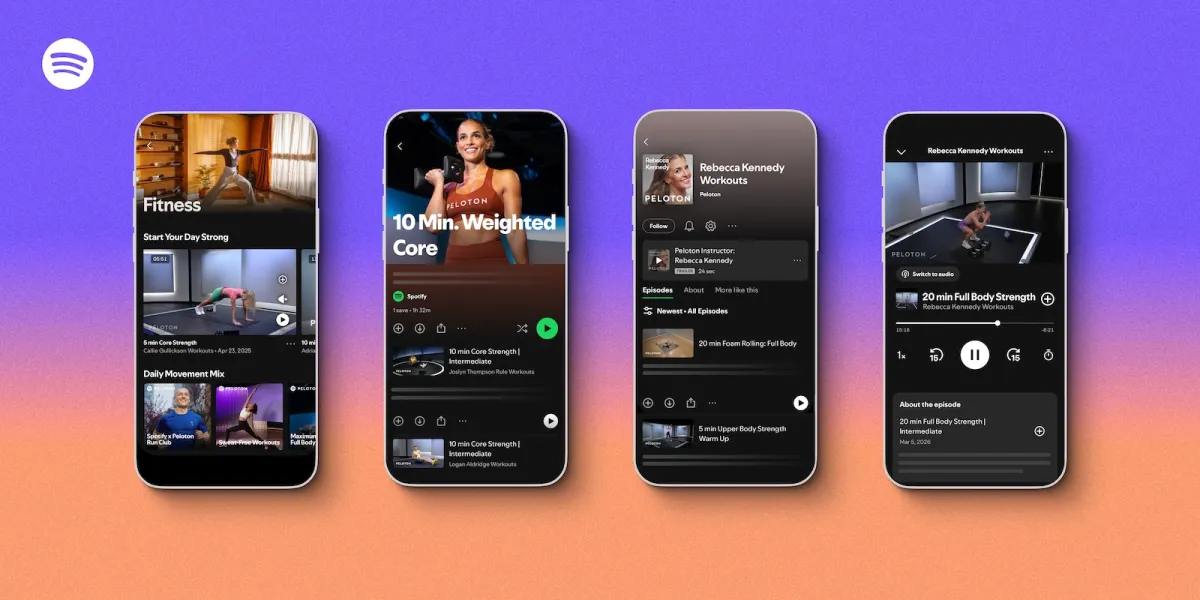
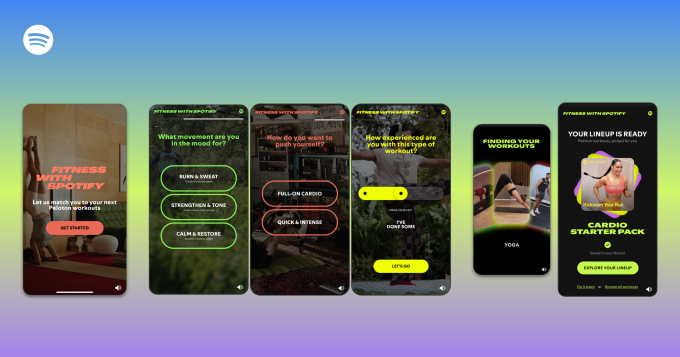
The platform has officially stepped into fitness content, launching a new “Fitness” hub that blends music, video, and guided training into a single experience. It’s a natural evolution for a company that already owns the soundtrack to millions of workouts, but it also signals something bigger: Spotify is continuing its transformation from a streaming service into a full-fledged lifestyle platform.
From Playlists to Programs
At launch, users can access a mix of playlists and structured workout content directly inside the app. This includes sessions from well-known creators like Chloe Ting, Kassandra Reinhardt, and Raven Ross, alongside studios such as Sweaty Studio.
The idea is simple: instead of leaving Spotify to follow a workout on another app or YouTube, everything now happens in one place, audio, instruction, and motivation.
Users can explore the new offering via the “Fitness” hub or by searching directly in-app. Content is available across mobile, desktop, and even TV, with offline downloads supported.
The Peloton Play
Spotify’s most strategic move might be its partnership with Peloton.
Premium users in select markets can now tap into a library of over 1,400 on-demand classes, ranging from strength and cardio to yoga, meditation, and running, without needing Peloton hardware.
It’s a smart unlock. Peloton gets distribution beyond its own ecosystem, while Spotify instantly gains credibility in structured fitness content.
Why Now?
The move is data-driven. Spotify says nearly 70% of its Premium subscribers work out monthly, and the platform already hosts over 150 million fitness playlists. In other words, the behavior is there—Spotify is just building a product around it.
Recent features like AI-powered playlists have also boosted demand for workout-related content, reinforcing the opportunity.
This isn’t just about fitness. It’s about territory
Over the past few years, Spotify has expanded far beyond music, into podcasts, audiobooks, video, and even physical books. Fitness is simply the next layer in a strategy that’s turning the app into a daily habit hub. The question is whether users will follow.
There’s a growing tension between utility and overload. As Spotify adds more formats, it risks becoming cluttered, something the company seems aware of, recently introducing options like turning off video content entirely.
For creators, this opens up a new distribution and monetization channel through Spotify’s existing partner ecosystem.
For brands, it’s another signal that platforms are no longer competing on content categories, they’re competing on time. Fitness, like podcasts before it, is about capturing moments that used to belong elsewhere.
And for users? The gym might just start inside the same app where you queue your next song.
Also Read:
YouTube Rethinks What “Search” Looks Like On Its Platform
Spotify Now Sells Real Books in the US and UK
Influencer Ruby Reid Is Running Her Instagram With AI, And You Can’t Tell2026/04/15