Instagram’s TV ambitions are starting to look a lot less like an experiment and a lot more like a product direction.
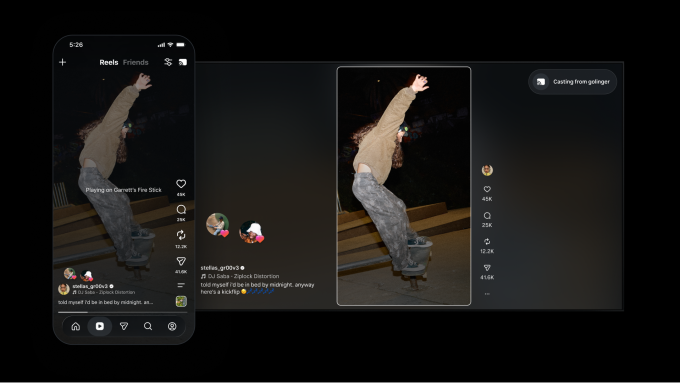
After testing the idea of Instagram on bigger screens, Meta is now expanding Instagram for TV with a Samsung TV rollout and new ways to watch together. The update includes channels, the ability to cast Reels and Saved content from your phone to the TV, Stories on TV, a horizontal video section, episodic series, and Live on TV.
That is a lot of product detail for something that could have been framed as a simple TV app update. And the detail matters. Instagram is not just asking users to watch Reels on a larger screen. It is trying to translate the behaviors that made Instagram sticky on mobile into a living-room setting.
From scroll to sit-back
The most important part of this update is not the screen size. It is the behavior Instagram is trying to make possible.
On mobile, Instagram is mostly a private, thumb-led experience. You scroll, save, send, react, and move on. On TV, that same content becomes something people can watch together. Meta’s new casting feature makes that bridge explicit: users will be able to send Reels and Saved content from their phone to the TV.
Saved content is especially interesting here. Saves are one of Instagram’s strongest intent signals, but they usually stay buried in a personal collection. Moving them to the TV turns saved posts into something that can be replayed, discussed, and shared in the room. That could be a recipe video, a travel idea, a creator series, a product demo, or a clip someone has been meaning to show friends.
The Samsung TV rollout also gives the product more real-world weight. TV distribution is hardware-dependent, and availability matters. But Samsung is one of the most important living-room screens globally, which makes this a meaningful step beyond a limited test.
Instagram is building TV-native habits, not just stretching Reels
WERSM previously covered how Instagram was thinking beyond Reels and eyeing long-form content for TV. This update adds the mechanics that make that ambition more concrete.
The new horizontal video section points directly at the TV use case. Vertical video may dominate the phone, but it is not the natural format of the living room. By creating space for horizontal viewing, Instagram is signaling that some content should be made for lean-back attention from the start.
Episodic series push that even further. Reels are built around fast discovery and quick consumption. Series introduce return behavior. They give creators a reason to structure content in parts, and they give audiences a reason to come back to something rather than simply fall into whatever the feed serves next.
Live on TV is another important piece. Instagram Live already has participation built into it, but watching on a TV changes the feel of the format. A concert, creator Q&A, product drop, sports-adjacent stream, or fan event can become something closer to a shared viewing moment, while the phone can still remain the interaction device.
Stories on TV changes the intimacy of Instagram
Stories are one of Instagram’s most personal formats. They are quick, often casual, and built around daily presence. Bringing Stories to TV is therefore a slightly different bet from bringing Reels to TV.
Reels scale easily to a bigger screen because they already behave like entertainment. Stories are closer to social context. Putting them on TV means Instagram is not only chasing long-form video. It is testing whether the familiar social layer of the app can survive when it leaves the hand and enters the room.
That is where channels also become relevant. Channels can organize viewing around interests, creators, or programming-like environments. If Instagram for TV becomes a place where people move between Reels, Stories, Live, and longer episodic content, the app starts to feel less like a mobile feed mirrored on a TV and more like a social video destination with its own viewing logic.
What creators and brands should do with this
For creators, the signal is simple: some Instagram content may need to be planned for two screens. A Reel still has to work instantly on mobile, but a horizontal cut, a recurring series structure, or a Live format designed for co-viewing could matter more if Instagram continues investing in TV.
For brands, this is not a reason to turn every Instagram asset into a TV spot. That would miss the point. The opportunity is in formats that benefit from attention and context: tutorials, launches, behind-the-scenes programming, creator-led shopping moments, entertainment partnerships, and content people are likely to save before watching with someone else.
The Saved-to-TV mechanic is particularly useful for marketers because it connects private intent with shared viewing. If someone saves a product idea, travel destination, recipe, workout, or look, Instagram may now make it easier for that content to reappear in a more considered environment.
That does not guarantee conversion. But it does change the kind of creative that can win. Content that only works as a fast scroll-stopper may not hold up on a 55-inch screen. Content with a useful reason to be revisited has a better chance.
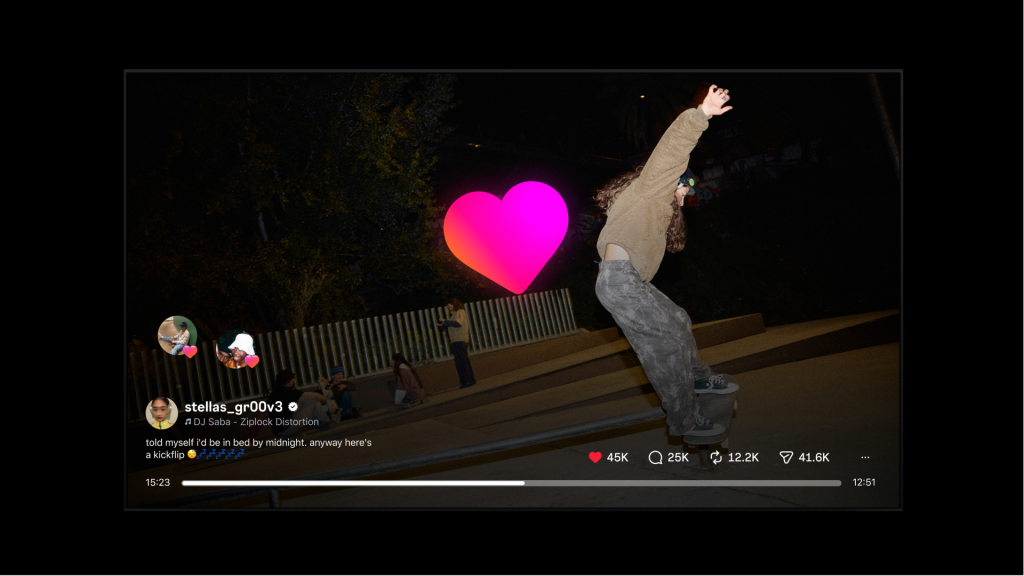
Instagram for TV is still early, and distribution will determine how quickly the habit forms. But Meta’s update shows a clearer direction: Instagram wants to expand from a place where people individually scroll video to a place where people collectively watch, revisit, and organize it.
If that works, the strategic consequence is straightforward: creators and brands will have to stop treating Instagram video as only a mobile feed format, because Instagram is now designing for the room.
Also Read:
Instagram Is Thinking Beyond Reels, Eyeing Long-Form Content for TV
Instagram Adds AI Creator Labels To Boost Transparency
Instagram Cracks Down On Content Aggregators To Boost Originality